
Key Takeaways
- HOA-mandated designer shingles can add $145+ per square, pushing costs $5,000+ higher than necessary.
- Approval delays can cost you locked-in pricing and add weeks to your timeline.
- Safety standards should always trump aesthetic requirements—use wind data to push back.
- Emergency repairs don't require full ARC approval, but document everything.
Do you actually own your roof, or does your HOA board? It's a question I find myself asking Lyme homeowners more often lately, especially when they show me a quote that's $6,200 higher than it should be because a set of bylaws requires a specific "slate-look" shingle. In Middlesex County, the aesthetic of the Shoreline is a point of pride, but pride has a price tag. If you live in a managed community, your roof replacement isn't just a construction project; it's a diplomatic negotiation.
Most homeowners think the HOA is there to protect their property value. While that's the theory, the reality is often a series of expensive delays and material requirements that don't account for the rising cost of labor in 2026. Before you commit to a contractor, you need to understand where the friction points are and how to push back with hard data.
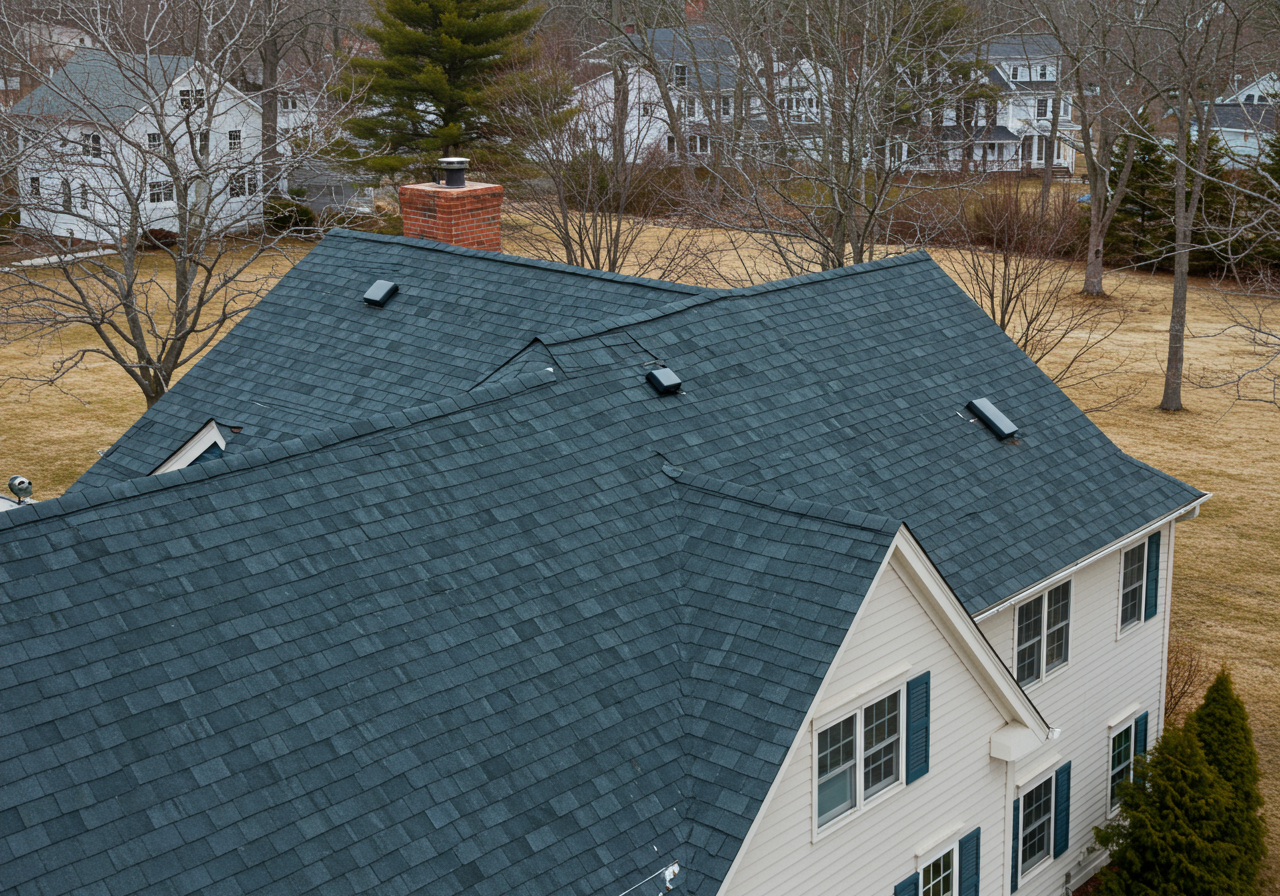
HOA Roof Rules in Lyme, Connecticut
Understanding the hidden costs and negotiation strategies for homeowners in managed communities
1. The High Cost of "Architectural Uniformity"
In Lyme, "uniformity" is often code for "expensive." Many HOAs mandate specific designer shingles—think CertainTeed Grand Manor or GAF Camelot II—to maintain a certain neighborhood prestige. While these look fantastic, they can easily add $145 per square (a 10x10 area) to your material costs.
I recently looked at a contract for a homeowner near the Connecticut River. The board rejected a high-quality architectural shingle because the "shadow line" didn't perfectly match the neighbor's house. This single decision forced the homeowner into a premium tier that added $4,840 to the total bill. When you're dealing with these requirements, don't just take the board's word for it. Ask for the specific manufacturer and color code in writing. If they can't provide it, they are often overstepping their own bylaws.
2. The Approval Delay Tax
February is a tricky month in Connecticut. You aren't dealing with the humidity of July, but you are dealing with a board that likely only meets once a month. If you miss the submission deadline for your architectural review committee (ARC), you could be looking at a 30-day wait.
During that month, material prices can fluctuate. I've seen Lyme homeowners lose out on locked-in pricing because their HOA board couldn't decide if "Weathered Wood" was too brown for the streetscape. To avoid this, submit your packet with three different material options that meet the "spirit" of the rules. This forces the board to choose rather than just saying "no."
Obtain the specific 'Schedule of Requirements' from your HOA bylaws.
Get the exact document that lists approved materials, colors, and installation standards.
Get three quotes from vetted contractors that meet these specs.
Ensure each contractor understands the HOA requirements and can provide samples.
Submit a formal ARC application including shingle samples.
Include physical samples, manufacturer specs, and contractor credentials.
Secure a written 'Notice to Proceed' before paying your deposit.
Never start work without written approval—verbal agreements don't protect you.
File the final permit with the Town of Lyme building department.
The town permit is separate from HOA approval—you need both.
3. Why Specific Shingle Brands Matter to Your Bottom Line
Contractors often have "preferred" brands because of the rebates they get from manufacturers. If your HOA mandates Brand A, but your contractor is a Master Elite installer for Brand B, you might lose out on the best warranty coverage.
In Lyme, where the wind coming off the Sound can be brutal, you need a wind warranty that actually means something. I always tell people to check the NWS Storm Events Database to see what your roof actually has to withstand. If the HOA-mandated shingle has a lower wind rating than what's recommended for the shoreline, you have a safety argument to use against the board. Safety always trumps "curb appeal" in a legal dispute.
Dana's Money Tip
4. The Hidden Liability of Unvetted Labor
HOAs often have a "preferred list" of contractors. Be very careful here. Sometimes these are just people who have worked in the neighborhood before, not necessarily the best value. I've seen boards recommend "Old Joe" who has been roofing for 30 years but hasn't updated his insurance since the 90s.
The trick is finding a contractor who actually shows up and carries the proper liability limits. If a worker falls off your roof in a tight-knit Lyme development, and that contractor isn't properly insured, the HOA might try to distance itself, leaving you on the hook. You should always insist that any contractor follows the OSHA standards for fall protection to minimize your personal risk.
5. Navigating Emergency Repairs Under HOA Scrutiny
If a tree limb comes down during a February ice storm, you don't have time for a 30-day ARC review. Most Lyme HOAs have an "emergency repair" clause, but they don't advertise it. This allows you to perform "like-for-like" repairs immediately to prevent interior water damage.
If you find yourself in this spot, document everything. Take photos of the damage before the tarp goes up. If the leak is significant, you need to look into urgent roofing assistance to stabilize the structure. Just because you have an HOA doesn't mean you have to let your living room flood while they debate shingle hues.
Average Shingle Lifespan in Lyme (Years)
6. Financing and Federal Support for Roof Replacements
Let's talk about the math. A premium HOA-approved roof in Lyme can easily cross the $22,000 mark. If the board is forcing an upgrade that you didn't budget for, you should look into financing that doesn't eat your home equity alive.
There are actually programs available for critical home repairs, especially if the roof is failing and affecting the safety of the home. I recommend checking the USA.gov home repair portal for 2026 grant or low-interest loan options. Sometimes, showing the board that their requirements are causing a "financial hardship" can lead to a variance, allowing you to use a more affordable but similar-looking material.
"An HOA board is not a building inspector. They care about how the roof looks from the sidewalk. You need to care about how the roof looks on your bank statement and how it performs during a nor'easter."
7. The Negotiation Script: How to Talk to the Board
When you stand in front of that board, don't be defensive. Be the expert. Bring a spreadsheet. Compare the "Mandated Shingle" vs. the "Equivalent Performance Shingle."
- Point 1: "The mandated shingle costs $5,400 more than this equivalent option with the same color profile."
- Point 2: "The town's building code updated recently, and my proposed material offers better fire resistance."
- Point 3: "I am using a verified contractor to ensure the project is finished in 3 days, minimizing noise for the neighbors."
If you can verify your contractor's license and history before the meeting, you can present a "Professional Project Plan" that makes it very hard for the board to say no. Boards hate risk. If you show them you have zeroed out the risk, they'll usually sign off on your shingles.
8. Managing the Final Inspection and Sign-Off
Once the last nail is driven, your work with the HOA isn't done. You need a "Letter of Compliance." I've seen cases in Middlesex County where a homeowner sold their house three years later, only for the title search to reveal an "outstanding architectural violation" because they never got the final sign-off on their roof color.
Demand that the ARC chairperson or the property manager walk the property and sign a simple one-page document stating the roof meets the approved standards. Keep this with your home's permanent records. It's as valuable as the warranty itself when it comes time to sell.
The HOA Roofing Trade-off
Pros
- Maintains neighborhood property values
- Ensures high-quality materials are used
- Prevents 'eyesore' roofing choices
Cons
- Can add $5,000+ to project costs
- Approval process takes weeks
- Restricts choice of modern energy-efficient colors
Get Your Free Roof Quote
Enter your zip code to get started
The bottom line is that you have more power than you think. HOAs rely on homeowners being too busy to read the bylaws. If you do the math, show the line-item costs, and stay firm on safety standards, you can usually get a roof that looks great without paying the "uniformity tax." Keep your receipts, stay on top of the paperwork, and don't let a board member's personal preference dictate your financial health.