
Key Takeaways
- Bolton's specific topography and tree cover require materials with high algae resistance and superior wind ratings (130 mph+).
- While asphalt is the most common choice, the 'cash-on-cash' ROI of metal roofing in Tolland County often surpasses shingles after the 12-year mark.
- Federal tax credits for 'cool roofs' can offset up to 30% of material costs if you choose the right ENERGY STAR rated products.
- Never sign a contract that doesn't specify the exact brand and weight of the underlayment, as this is where Bolton roofs usually fail first.
Bolton homeowners face a specific kind of roofing headache that many contractors in the Greater Hartford area conveniently gloss over during the sales pitch. We aren't just talking about "New England weather" in a generic sense. We're talking about the microclimate of Tolland County, where the wind funnels through Bolton Notch and the heavy tree canopies near Steele's Crossing keep roofs damp long after the sun comes out.
The problem is that most roofing estimates you'll receive this March are built on what's easiest for the crew to install, not what will actually survive the next fifteen years of Connecticut's brutal ice-dam seasons and summer humidity. I've looked at hundreds of local line-item quotes, and it's frustrating how often "standard" materials are pushed onto homes that require specialized protection. If a contractor tells you a basic architectural shingle is "all you need" without looking at your lot's specific shade profile or wind exposure, they aren't looking out for your wallet—they're looking out for their margin.
The Asphalt Reality: Why "Standard" Isn't Enough for Tolland County
Most people in Bolton default to asphalt shingles because the upfront cost is lower. I get it. When you're looking at a $14,000 bill versus a $28,000 bill, the smaller number is tempting. But here's what the glossy brochures don't show you: the "30-year" shingle rarely makes it to year 18 in Connecticut.
Architectural vs. Performance Class Shingles
In our area, a basic architectural shingle is the bare minimum. However, if your home is tucked away in the woods near the Hop River Rail Trail, you have a moisture problem. Standard shingles will start showing those ugly black streaks (Gloeocapsa magma algae) within five years. I always tell people to look for shingles with copper-infused granules.
The Underlayment Math
The shingles are just the "skin." The "organs" of the roof are the underlayment. In Bolton, where we get significant snow accumulation that sits and melts, you shouldn't even consider a project that doesn't include a high-temp ice and water shield at the eaves and valleys. I've seen homeowners try to save $600 by using a cheaper felt paper, only to spend $4,800 three years later fixing leaks or minor damage caused by ice dam backup.
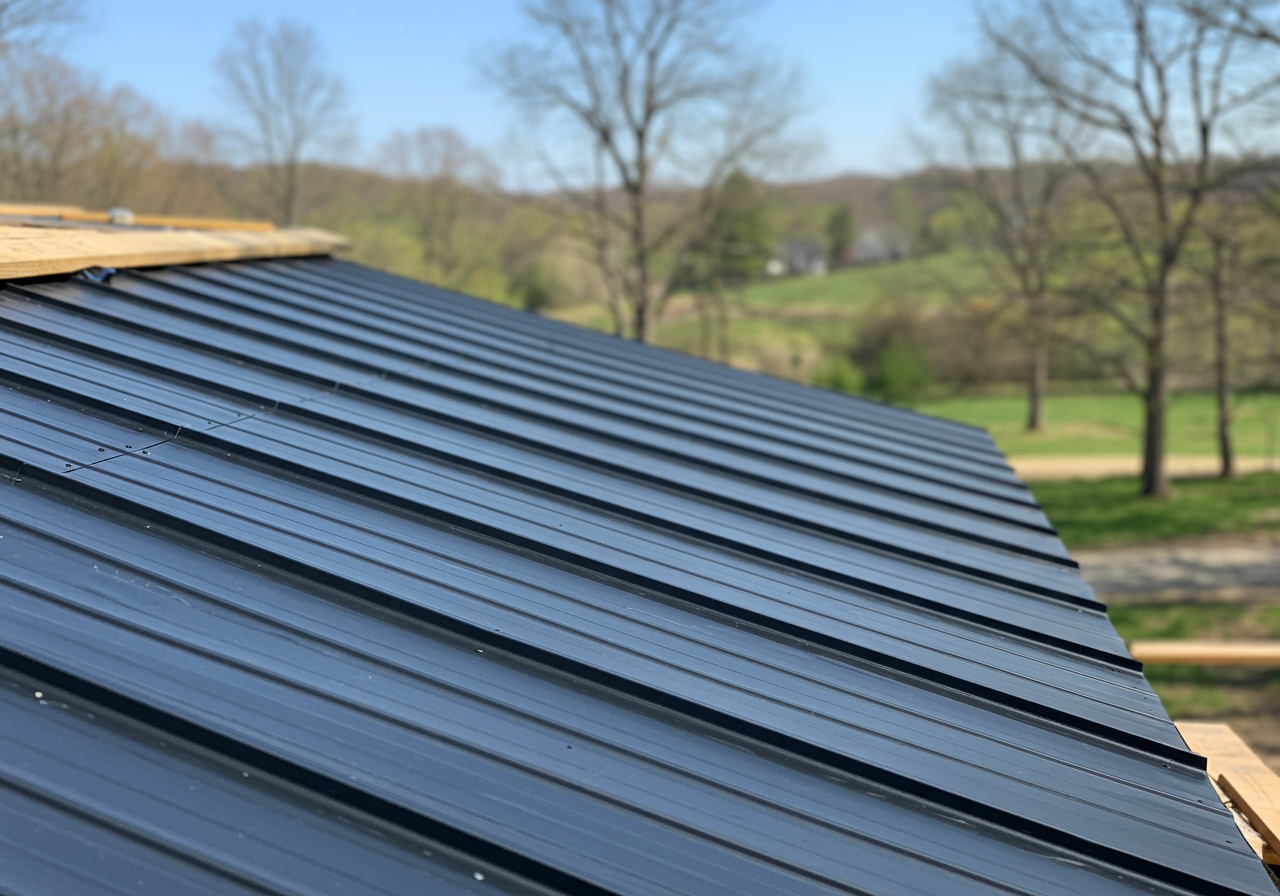
Weather-Ready Roofing in Bolton
Connecticut's freeze-thaw cycles and Bolton's unique microclimate demand materials that can withstand extreme temperature swings and moisture.
Metal Roofing: The 50-Year Bolton Investment
If you plan on staying in your Bolton home for more than a decade, you need to run the numbers on metal. I'm a "show me the receipt" type of analyst, and the math on metal is becoming increasingly hard to ignore for CT residents.
Standing Seam vs. Exposed Fasteners
Don't let a contractor talk you into a "screw-down" metal roof (exposed fasteners) for a residential home. Those rubber washers fail after 10-12 years of CT's temperature swings. For a home in a hilly area like ours, standing seam is the only way to go. The fasteners are hidden, allowing the metal to expand and contract as the temperature shifts from a humid July afternoon to a sub-zero January night.
Snow Shedding and Gutters
One thing Bolton roofers won't mention: metal roofs shed snow all at once. If you don't have snow guards installed, that sliding "snow-alanche" will rip your gutters right off the house. When you upgraded to a new roof system made of steel or aluminum, ensure the quote includes heavy-duty snow retention systems, especially over doorways.
Expected Lifespan by Material in CT (Years)
The Composite and Synthetic Secret for Historic Homes
Bolton has some beautiful older homes that look best with cedar shakes or slate. But let's be real: real cedar is a fire hazard and high-maintenance, and real slate is heavy enough to require structural reinforcement that costs a fortune.
Synthetic Slate and Shake
Materials like DaVinci or Brava are made from recycled polymers and engineered resins. They look identical to the real thing from the curb, but they have a Class 4 impact rating. This means if we get one of those freak Tolland County hailstorms, your roof won't crack.
Weight Considerations
The beauty of synthetic is that it weighs about the same as an architectural shingle. You get the $80,000 look of a slate roof for a fraction of the structural cost. I recently helped a homeowner near the center of town compare real slate vs. synthetic; the real slate required $11,200 in rafters' reinforcement alone. By going synthetic, they bypassed that cost entirely.
Synthetic vs. Natural Materials
Pros
- Zero rot or insect damage
- Lighter weight (no structural mods)
- Consistent color/texture
- 50-year warranties
Cons
- Higher upfront cost than asphalt
- Requires specialized installers
- Some brands look 'plastic' up close
Energy Efficiency and the "Cool Roof" Tax Credit
Your roof isn't just a lid; it's a thermal barrier. In Bolton, our cooling costs in the summer can be just as painful as the heating bills in the winter. This is where you can actually get the government to help foot the bill.
Federal Incentives
According to the IRS instructions for Form 5695, homeowners can claim credits for certain energy-efficient improvements. If you choose a metal roof or certain asphalt shingles with high solar reflectance, you might be eligible for the Residential Clean Energy Credit.
Reflective Technology
I'm a big fan of "cool roofs." Even in a colder climate like Connecticut, reducing the heat load on your attic during August saves your HVAC system from premature failure. Check the Energy Star's guide to cool roofs to see which materials actually qualify. Don't take the contractor's word for it—verify the model number on the Energy Star list yourself.
Storm Readiness: Reinforcing Against High Winds
Bolton isn't the shoreline, but we still get hit with the remnants of Atlantic storms and those nasty nor'easters that come up the coast. Wind uplift is the silent killer of CT roofs.
Wind Ratings and Nailing Patterns
A standard shingle is usually rated for 60-90 mph. However, most manufacturers have a "high wind" installation method that involves using six nails instead of four and specific starter strips. I've seen roofs in Bolton lose half their shingles in a storm simply because the crew was rushing and used a standard 4-nail pattern.
FEMA Recommendations
If you want to truly "bulletproof" your home, look at FEMA's hurricane mitigation guide for sloped roofs. Even if we aren't in a hurricane zone, the techniques they recommend—like enhanced roof-to-wall connections and sealed roof decks—are gold for anyone living on a ridge in Tolland County. It's about creating a "continuous load path" so your roof stays attached to your house when the wind starts howling through the Notch.
The Real Cost Breakdown: Bolton Market Rates
Let's talk turkey. I hate when articles give "national averages" because a roof in Kansas costs nothing compared to a roof in Connecticut. Labor rates, disposal fees at CT transfer stations, and permit costs in Bolton all drive our prices up.
Line-Item Estimates
When you get a quote, it should be broken down. If you see one big number like "$18,500" with no explanation, throw it in the trash. You need to see:
- Tear-off and disposal fees (usually $300-$500 per "square")
- Underlayment type and quantity
- Flashing (don't let them reuse the old stuff!)
- Permit fees (Bolton's building department has its own fee schedule)
The Negotiation Script
If a contractor tells you the price is only good for today, walk away. A reputable Bolton roofer knows their numbers. Ask them: "What is the specific SKU of the shingle, and what is the manufacturer's required nailing pattern for the 130-mph wind warranty?" If they stammer, they aren't the pro you want. You can estimate your project cost using local data to make sure their "Bolton special" price isn't actually a 20% markup.
Material Cost vs. Value in Bolton
| Material | Installed Cost (per sq) | Maintenance | Resale Value |
|---|---|---|---|
| Architectural Asphalt | $550 - $800 | Moderate | Standard |
| Standing Seam Metal | $1,200 - $1,800 | Very Low | High |
| Synthetic Slate | $1,400 - $2,100 | Low | Premium |
| Cedar Shake | $1,100 - $1,600 | High | Niche |
Choosing the Right Material for Your Specific Bolton Lot
I always tell people that their neighbor's roof might be the wrong roof for them. Bolton is topographically diverse.
The Shade Factor
If your house is on a heavily wooded lot near Box Mountain, asphalt is going to be a struggle. The constant shade and falling debris lead to moss and lichen growth, which eat the limestone filler in modern shingles. In this scenario, metal is a much smarter play because it's non-porous and sheds debris easily.
The Exposure Factor
If you're on an open ridge with full sun exposure, your shingles will "bake." The oils will evaporate, and the shingles will become brittle and crack. Here, look for "High Reflectance" shingles or metal with a Kynar 500 finish. This paint finish is the gold standard; it won't chalk or fade even after decades of UV pounding.
Before you sign anything this spring, remember: the "cheapest" material is usually the most expensive one you'll ever buy because you'll be buying it twice. Put the numbers on paper, check the wind ratings, and make sure that "30-year warranty" actually covers the labor to replace the roof, not just a pro-rated voucher for a few bundles of shingles.
Get Your Free Roof Quote
Enter your zip code to get started
I've helped a lot of neighbors navigate these choices. It's not about finding the fanciest material; it's about finding the one that won't make you worry every time a nor'easter is forecasted.