
Key Takeaways
- The federal 25C tax credit allows you to claim 30% of the cost of energy-efficient materials, up to $1,200 annually.
- Only specific Energy Star certified metal and asphalt products qualify for the credit, so material selection is everything.
- Combining tax credits with Middletown-specific energy savings can reduce the long-term cost of a roof by thousands.
- Documentation is your best friend—you need the Manufacturer's Certification Statement before you file.
Middletown homeowners face a frustrating reality every February: our beautiful, drafty New England homes are essentially sieves for expensive heat. I was walking down near the Harborpark boardwalk recently, looking at the stunning rooflines of the historic Colonials and Victorians that define our city, and I couldn't help but think about how much money is literally rising through those shingles. Most of us know our roofs need work when we see a leak or a missing shingle after a gusty night off the Connecticut River, but we rarely think about the roof as a financial tool. The problem is that we treat roofing as a "grudge purchase"—something we only do when we have to—instead of an investment that the federal government actually wants to help pay for.
If you've been putting off a replacement because the numbers don't feel right, you're likely overlooking the 25C Energy Efficient Home Improvement Credit. It isn't just a "nice to have" anymore; in 2026, it's a critical part of making a high-quality roof renovation actually pencil out for a Middletown budget.
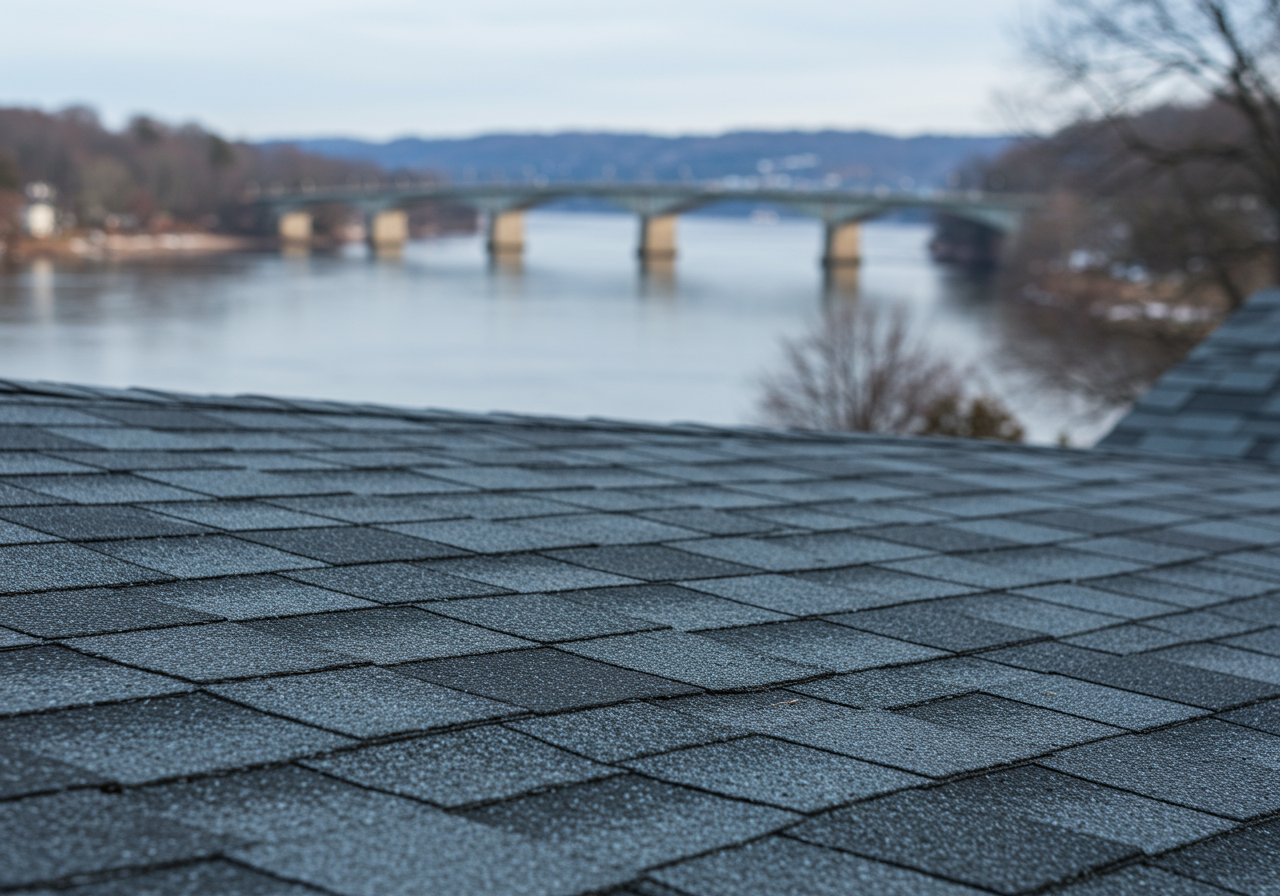
Energy-efficient roofing materials for Middletown homes
Understanding which roofing materials qualify for federal tax credits can save homeowners thousands while improving home efficiency.
Choosing Materials That The IRS (And Your Neighbors) Will Love
When I talk to homeowners over on Washington Street or near the Wesleyan campus, the first concern is usually curb appeal. "Sheri, I want to save energy, but I don't want my house to look like a commercial warehouse," a friend told me last week. I get it. The good news is that "energy-efficient" doesn't mean "bright white and plastic." In 2026, we have access to stunning architectural shingles and metal roofing systems that look like traditional slate or wood shake but are designed with "cool roof" pigments. These pigments reflect infrared light, keeping your attic—and your Middletown home—much cooler during those humid July weeks.
But here is the catch: not every "cool" roof qualifies for the tax credit. To see that money back in your pocket, the materials must meet the latest Energy Star requirements. If you're looking at a full overhaul, upgrading to a new energy-efficient roof system requires a bit of homework on the front end. You can't just pick a color you like and hope for the best; you need to verify that the specific product is certified for the 25C credit.
Pro Tip
Metal vs. Asphalt: The 2026 Efficiency Debate
I've always had a soft spot for metal roofing in Connecticut. It handles our heavy February snow loads like a champ. From a tax perspective, metal is often the easiest path to qualification because the material is naturally reflective. However, modern asphalt shingles with cooling granules are catching up. According to research from USA.gov on home energy assistance, federal incentives are increasingly leaning toward materials that reduce the "urban heat island" effect, which even smaller cities like Middletown experience.
The Nitty-Gritty of the $1,200 Tax Credit
Let's talk about the actual dollars, because I know that's why you're here. The 25C credit is a 30% credit for the cost of the materials only—not the labor. I've seen homeowners get disappointed when they realize they can't claim 30% of the entire $18,452 invoice. However, when you consider that the material cost often makes up about 40% to 50% of a roofing job, that $1,200 annual cap is relatively easy to hit.
I remember helping a couple over near Crystal Lake who were trying to figure out if they should do the roof and the windows in the same year. I advised them to look at the caps. Since the 25C credit has an annual limit, sometimes it actually makes sense to phase your home improvements if your roof is still holding steady. But if you're seeing granules in your gutters or daylight in your attic, waiting isn't an option. You need to know the real cost of a replacement before you decide how to apply your tax strategy.
Documentation You Can't Afford to Lose
Every year, I hear a horror story about a homeowner who missed out on their credit because their contractor didn't provide the right paperwork. You don't just need a receipt. You need the Manufacturer's Certification Statement. This is a signed document from the roofing manufacturer certifying that the product meets the energy efficiency standards required by law. I keep a digital folder of every home project I do—from the smallest repair to a full tear-off—and I suggest you do the same. If you're currently just dealing with a few leaks or minor damage, keep those receipts too, though most minor repairs won't hit the energy-efficiency threshold for the credit.
ROI Beyond the Tax Man: Middletown Weather Realities
While the tax credit is a nice "thank you" from the government, the real ROI is what happens to your Eversource bill. In Middletown, we deal with the "Shoreline Effect"—that damp, biting cold that rolls up the river in the winter and the heavy humidity in the summer. A roof that reflects heat doesn't just lower your tax bill; it saves your HVAC system from working overtime.
I've seen local homes where an energy-efficient roof installation dropped attic temperatures by nearly 25 degrees in the summer. That is the difference between your AC running 24/7 or actually taking a break. When you look at the longevity of these materials, the math starts to look very attractive.
Average Lifespan of Roofing Materials in Middletown (Years)
Sheri's Design Secret
Finding a Contractor Who Speaks "Tax Credit"
The most important step in this process is finding a pro who actually understands the 2026 energy codes. You want someone who doesn't just toss a bundle of shingles on your lawn and call it a day. A professional crew will be familiar with OSHA fall protection standards, ensuring the job is done safely, and they will know exactly which materials in their catalog carry the Energy Star label.
I always tell my neighbors: don't be afraid to ask the hard questions. If a contractor looks confused when you mention the 25C credit or the Manufacturer's Certification Statement, they might not be the right fit for an energy-conscious project. We're lucky in Middletown to have access to some great local talent, but you have to vet them.
"The tax credit is the 'hook,' but the proper ventilation and high-SRI materials are what actually protect the home's structure for the next thirty years."
Get Your Free Roof Quote
Enter your zip code to get started
Before you sign anything, check your local storm history. I often use the NWS Storm Events Database to see if a neighborhood has a history of high-wind events. This helps me decide if we need to prioritize wind-rating alongside energy efficiency. A roof that saves you $1,200 on taxes but blows off in a nor'easter isn't a bargain.
Claiming your credit is done through IRS Form 5695. It's a bit of a dry read, but seeing that balance drop on your tax return makes it all worth it. Your roof is the first line of defense for your home; making it an energy-efficient one is just smart Middletown living.