
Key Takeaways
- The "Goldilocks" Window: Mid-September to late October offers the best balance of temperature for shingle adhesion and contractor availability.
- Thermal Sealing Risks: At today's 30°F, asphalt shingles are brittle and won't self-seal until we see consistent 45°F+ days.
- The Pricing Peak: Bristol contractors often hike rates by 10-15% during the "Spring Rush" (April-June) due to sheer demand.
- Vetting is Non-Negotiable: Always verify registration through the CT eLicense portal before the peak season begins.
It is currently 30°F outside my office window here in Hartford County, and the sky over Bristol is that heavy, "partly cloudy" gray that usually precedes a late-season dusting. With humidity at 68% and a quiet 4 mph breeze, it feels like the calm before the construction storm. I've been tracking these Connecticut transition months for over 14 years, and March is always the month of the Great Roofing Panic. Homeowners see the snow melting near Lake Compounce, spot a missing shingle, and immediately flood local contractors with calls. But here is the reality: jumping into a replacement the second the ground thaws can be a tactical error that costs you thousands.
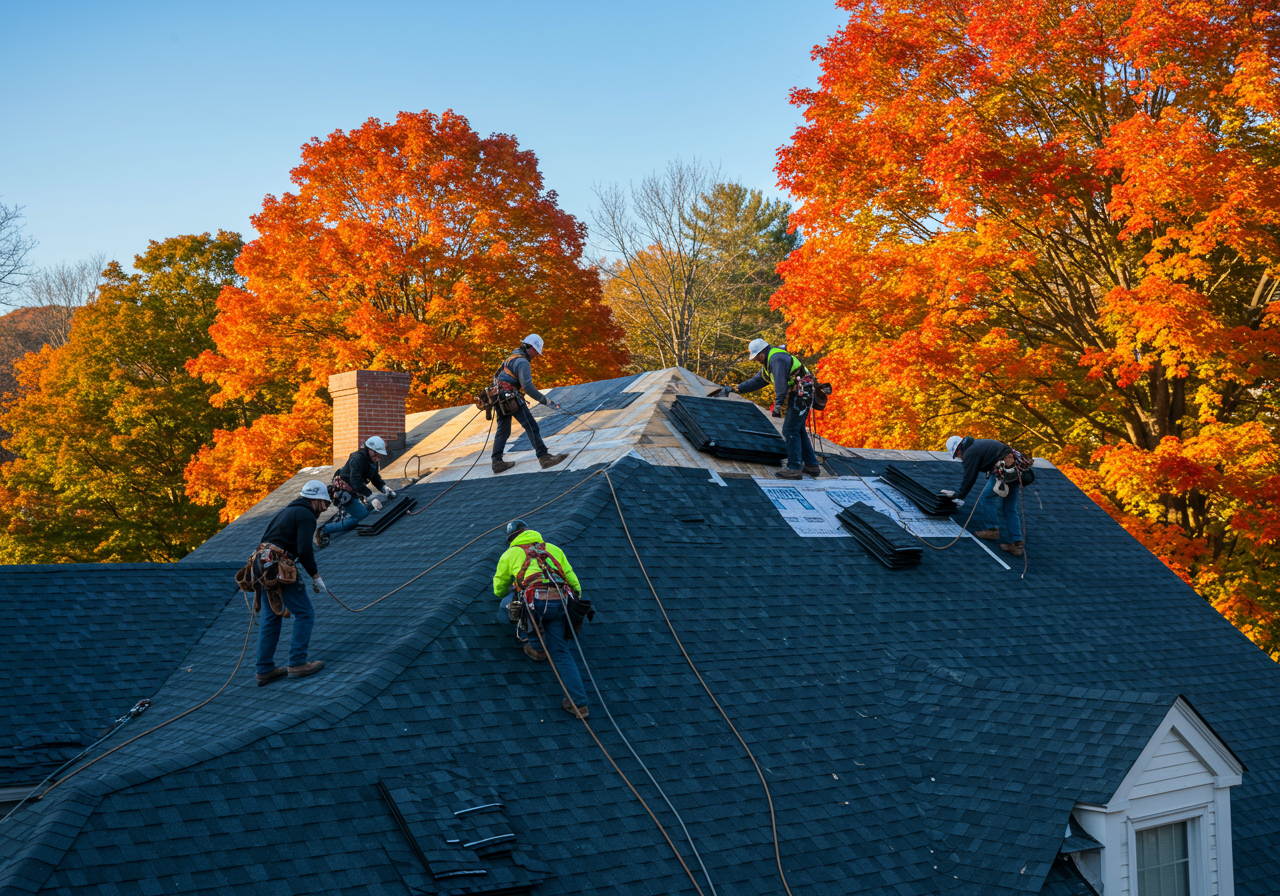
Bristol Roof Timing Guide
Understanding the best times for roof replacement in Bristol, Connecticut.
The Spring Rush: Why March Waiting Lists Cost You More
In Bristol, we have a very specific "contractor congestion" that happens every year. As soon as the thermometer consistently stays above freezing, every homeowner who survived a rough winter starts dialing. I remember a project over on Federal Hill back in 2021 where a family waited until April to call. By then, the local crews were booked through August, and the "emergency" pricing they were quoted was nearly $2,800 higher than a November estimate.
The problem with the spring rush isn't just the price; it's the haste. When crews are juggling six different jobs between Chippens Hill and Forestville, the attention to detail can slip. If you are starting to worry about your attic dampness, you might be better off estimating your project costs now while you have the leverage of a slower market. March is the time for planning, not necessarily for the first swing of the hammer.
The October Advantage
If you can stretch your current roof's life through the summer, October is actually the "sweet spot" in Connecticut. The air is dry, the humidity drops from that oppressive 80% summer swamp to a crisp 40%, and the shingles have just enough warmth to "set" before the first hard freeze. I've seen roofs installed in late October last 5 to 7 years longer than those rushed during a wet April.
Thermal Sealing and the 40°F Magic Number
Most Bristol residents don't realize that an asphalt shingle is a "living" material—it needs heat to work. Manufacturers design shingles with a strip of asphalt sealant that requires thermal activation. At our current 30°F, that sealant is as hard as a hockey puck. If a contractor tells you they can "nail and go" today without specialized cold-weather tabs, they are setting you up for a blow-off during the next high-wind event.
I've logged enough wind data from the National Weather Service Storm Events Database to know that Bristol gets hit with some wicked gusts coming off the hills in late March. If your shingles haven't bonded because the ambient temp hasn't hit that 40°F to 45°F threshold, those $150-a-square materials are going to end up in your neighbor's yard.
Hand-Sealing Requirements
If you absolutely must replace the roof in these temperatures, the crew has to hand-seal every single shingle with beads of roofing cement. It is tedious, labor-intensive, and most "lowest-bid" contractors will skip it to save time. This is where fixing minor leaks to buy yourself three months of warmer weather becomes the smarter financial move.
Contractor Wait Times in Bristol
Seasonal Breakdown: Cost, Availability, and Quality
When we compare the seasons in Hartford County, we aren't just looking at the weather—we're looking at the supply chain and labor. In the winter, materials are often brittle and prone to cracking during installation. In the summer, the "scuffing" risk increases; when it's 90°F out, the asphalt softens so much that a worker's boot can literally tear the granules off the shingle.
Replacement Season Comparison
Pros
- Late Fall: Best shingle adhesion and lower humidity.
- Early Spring: Easiest time to spot winter damage immediately.
- Late Summer: Consistent dry spells for multi-day projects.
Cons
- Winter: Brittle shingles and ice dam risks during install.
- Spring: Peak labor prices and long waitlists.
- Summer: Heat exhaustion for crews and potential shingle scuffing.
I always tell my neighbors near Muzzy Field: don't let a "limited time offer" dictate your timeline. Connecticut has strict consumer protection guidelines for a reason. You have the right to a detailed contract and a timeline that doesn't involve shingles being laid on a frost-covered deck.
"The thermometer is a better project manager than any contractor. If the shingles aren't hitting 45 degrees, they aren't sealing. It's that simple."
Navigating Bristol's Freeze-Thaw Cycles (Winter Installs)
If you find yourself in a situation where the roof is failing mid-winter—maybe a tree limb came down during a February ice storm—you can't always wait for October. However, a winter install in Bristol requires a specialized crew. With humidity sitting at 68% today, any moisture trapped under the underlayment is going to stay there, potentially rotting your plywood deck from the inside out.
Ice Damming Risk
When the weather is borderline, I recommend looking into a full roof replacement only if the contractor provides a specific "cold weather application" warranty. You want to see "hand-tabbing" written into the line items. It might add $400 to the bid, but it's cheaper than a leak in 2027.
Get Your Free Roof Quote
Enter your zip code to get started
Did You Know?
Bristol's elevation changes can mean a 5-degree temperature difference between West Street and the top of Chippens Hill, which significantly affects how fast roofing adhesives cure!
The bottom line for Bristol homeowners is patience. If your roof is holding steady today, use this 30°F window to vet your contractors, check their licenses, and get your financing in order. Aim for that late-season window when the weather works with you, not against you.