Right now, looking out at the cloudy sky over Jillson Square, the thermometer is sitting at a steady 39°F. It feels like 36°F with that slight 4 mph breeze coming off the Willimantic River, and roofing is probably the last thing on your mind as you're grabbing a coffee at Grounded Coffee Company. But here is a surprising fact that usually stops homeowners in their tracks: when Willimantic hits a standard July afternoon of 85°F, your roof isn't feeling 85 degrees. It's actually enduring temperatures upwards of 160°F.
That's a 75-degree delta that acts like a slow-motion kiln, baking the essential oils right out of your asphalt shingles. While the humidity is currently a manageable 54%, the "Quiet Corner" summers are famous for that heavy, wet heat that turns attics into pressure cookers. If you wait until the first heatwave in June to think about heat protection, you've already missed the window to prevent structural degradation. This February chill is actually the perfect time to audit your home's "lid" before the thermal expansion cycles begin to warp your decking.
Key Takeaways
- Attic temperatures exceeding 140°F can void shingle warranties and double your cooling costs.
- Proper ventilation requires a balanced intake-to-exhaust ratio, often overlooked in older Willimantic Victorian homes.
- Radiant barriers can reflect up to 97% of solar heat, significantly extending the life of your roof deck.
- February is the optimal month for a professional attic bypass audit to prevent summer 'super-heating.'
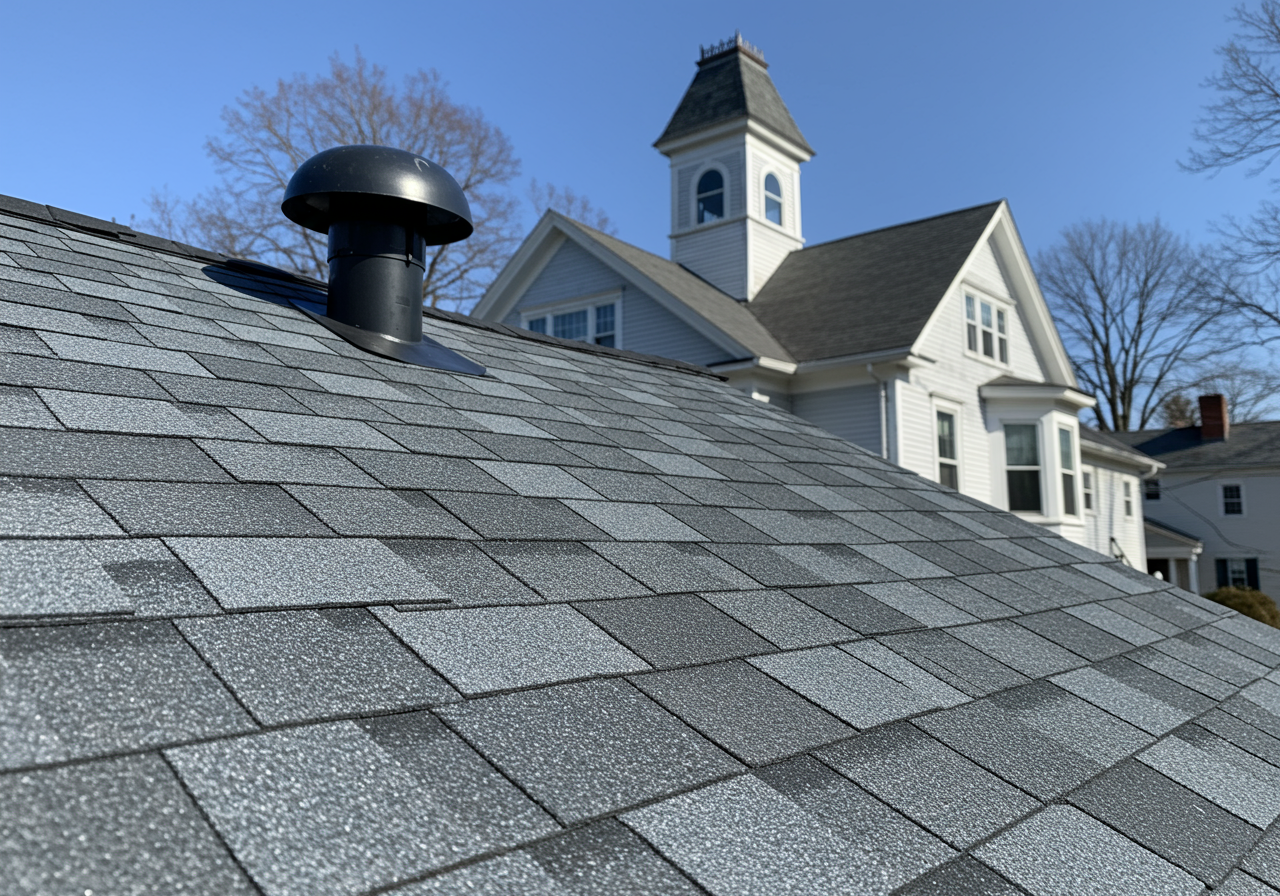
Summer Heat Impact on Willimantic Roofs
Understanding how extreme temperatures affect your roofing system
The Silent Killer: Thermal Shock and UV Degradation in Windham County
Most people think a roof fails because of a singular event—a massive limb falling during a nor'easter or a freak hailstorm. In reality, the majority of roofs I inspect in Willimantic are dying from "The Big Bake." When your roof hits 160°F during the day and then drops to 65°F after a sudden summer thunderstorm, the material undergoes rapid contraction. This is called thermal shock.
Understanding the Chemistry of Your Shingles
Asphalt shingles are essentially a fiberglass mat soaked in oil-rich bitumen and covered in granules. These granules aren't just for color; they are your roof's sunscreen. When the heat gets excessive, the bitumen becomes brittle. I've seen 10-year-old roofs in the North End that look like they're 30 because the oils evaporated, leaving the shingles "toasted." Once they lose flexibility, the next 4 mph wind—much like we have today—can snap them right off.
The Attic Pressure Cooker Effect
If your attic isn't breathing, that heat has nowhere to go. It migrates downward through your ceiling insulation and into your living space. You might notice your AC running constantly, struggling to keep up. It's not just about comfort; it's about the wood. I once walked through an attic on Valley Street where the rafters had actually started to "weep" sap because the heat was so intense. That level of heat softens the structural integrity of your roof deck over time.
Ventilation vs. Insulation: Which One Actually Cools Your Home?
This is the classic debate I hear at every local town hall meeting. Homeowners often ask me, "Noah, should I just blow in more insulation, or do I need more vents?" The truth is, they serve two completely different masters, and doing one without the other is like wearing a heavy parka with no way to unzip it.
The Case for Advanced Ventilation
Ventilation is about airflow. You need cool air coming in from the soffits (the underside of your eaves) and hot air exiting through the ridge vent or gable vents. If this balance is off, you get stagnant pockets of heat. Many of the beautiful older homes near Eastern Connecticut State University have had their soffits painted over or blocked by DIY insulation projects, effectively "choking" the roof.
The Role of Radiant Barriers and Insulation
While insulation (measured in R-value) slows down the transfer of heat, a radiant barrier actually reflects it. Think of it like the foil sunshade you put in your car windshield. In our climate, the Department of Energy insulation guidelines suggest that a whole-house approach is necessary to combat both the 39°F winter days and the 95°F summer peaks.
Ventilation vs. Radiant Barrier Protection
Pros
- Reduces moisture buildup year-round
- Lowers attic temps by up to 30 degrees
- Prevents ice dams in winter
Cons
- Requires high-quality installation
- Initial material cost is higher
- Needs regular inspection for dust buildup
Comparing Cooling Strategies for Willimantic Homes
Not all cooling methods are created equal. In our part of Connecticut, where we deal with high humidity, some methods outperform others significantly.
Effectiveness of Heat Reduction Methods
Material Choices: Is a "Cool Roof" Worth the Investment?
When it comes time to replace a roof, most people just pick a color that matches their shutters. But if you're tired of $400 Eversource bills in August, you need to look at the technology behind the shingle. "Cool roofs" are designed to reflect more sunlight and absorb less heat than a standard shingle.
The Truth About Shingle Color
It's a common myth that you have to have a white roof to stay cool. Modern material science has given us "cool-colored" shingles that look like traditional charcoal or cedar but use specially engineered granules to reflect infrared radiation. According to EPA research on heat islands, these materials can stay up to 50°F cooler than traditional dark shingles.
Metal vs. Asphalt in the Quiet Corner
Metal roofing is gaining massive popularity in Windham County, and for good reason. A standing seam metal roof doesn't just reflect heat; it sheds it almost instantly once the sun goes down. Asphalt holds onto that heat like a thermal battery. If you're planning on staying in your home for more than 15 years, the math on metal often starts to look very attractive.
"I've analyzed thermal imagery from dozens of Willimantic homes. A poorly vented dark roof isn't just a maintenance issue; it's a structural liability that costs the average homeowner $420 extra in annual energy waste."
The Cost-Benefit Breakdown
Let's look at the numbers. A standard roof replacement might cost around $12,450. Adding "cool" technology or upgraded ventilation might push that to $14,100. However, the lifespan of the roof often increases by 7 to 10 years because the shingles aren't being "cooked" every afternoon.
Audit
Check your attic for light coming through soffits during the day.
Measurement
Use an infrared thermometer to check ceiling temps on a hot day.
Consultation
Get a professional to calculate your net-free ventilating area.
Upgrade
Install high-reflectivity shingles or a radiant barrier during your next replacement.
The Attic Fan Trap
If you're starting to see granules in your gutters or your upstairs bedrooms feel like a sauna by 2:00 PM, it might be time to get a baseline estimate. Understanding the matching process can help you find a local Willimantic pro who understands our specific micro-climate. If you ever find yourself in a situation where a heat-weakened roof fails during a sudden summer microburst, don't forget there are urgent repair services available to handle the fallout.
Planning for a Cooler Future
As we sit here in February, with the ground still hard and the 39°F air keeping us in coats, summer feels like a distant memory. But the climate data for Connecticut shows our summers are getting longer and our peak temperature days are increasing. Protecting your roof from heat isn't just about comfort; it's about preserving the single most expensive component of your home's exterior.
Take a look at your attic this weekend. If you see dark stains on the underside of the wood or smell a "baked" aroma, your roof is crying out for help. Addressing these issues now, before the roofing crews are booked six months out, is the smartest move a Windham County homeowner can make.
Get Your Free Roof Quote
Enter your zip code to get started
FAQ

About Noah Knight
Verified ExpertNoah Knight is a Connecticut Weather & Climate Specialist who helps homeowners understand how New England's unique weather patterns affect their roofing systems. He combines meteorological knowledge with practical home maintenance advice.