I remember standing on a gravel driveway in the Oakville section of Watertown back in March of '22. The homeowner, a sharp guy named Pete, was pointing up at his roof with a sense of total confidence. He'd just spent $450 on a "Spring Ready" package from a guy with a ladder and a truck. Pete figured he was set for the Litchfield County rainy season.
Fast forward three weeks. A standard Tuesday afternoon downpour turned Pete's dining room ceiling into a DIY water feature.
The problem? His "prep" was all surface-level vanity work—cleaning gutters and blowing off a few sticks—while the actual structural vulnerabilities remained untouched. Pete fell for the classic Watertown trap: he paid for maintenance but didn't get any actual protection. I'm here to make sure you don't write that same check. We're going to look at the line-item math of what actually keeps water out of your attic when those Northwest Hill winds start kicking.
Key Takeaways
- The 1,250-Gallon Reality: Every inch of rain drops over a thousand gallons of water on a standard Watertown roof; if your drainage math is off, your foundation pays the price.
- Flashings Over Shingles: 87% of "weather prep" failures happen at the joints, not the shingles themselves.
- The Documentation Defense: Never pay for a "tune-up" unless it includes a photo-documented checklist of the 14 critical penetration points.
- Tax Credit Timing: March is the ideal window to audit your roof for energy-efficient upgrades that qualify for federal credits.
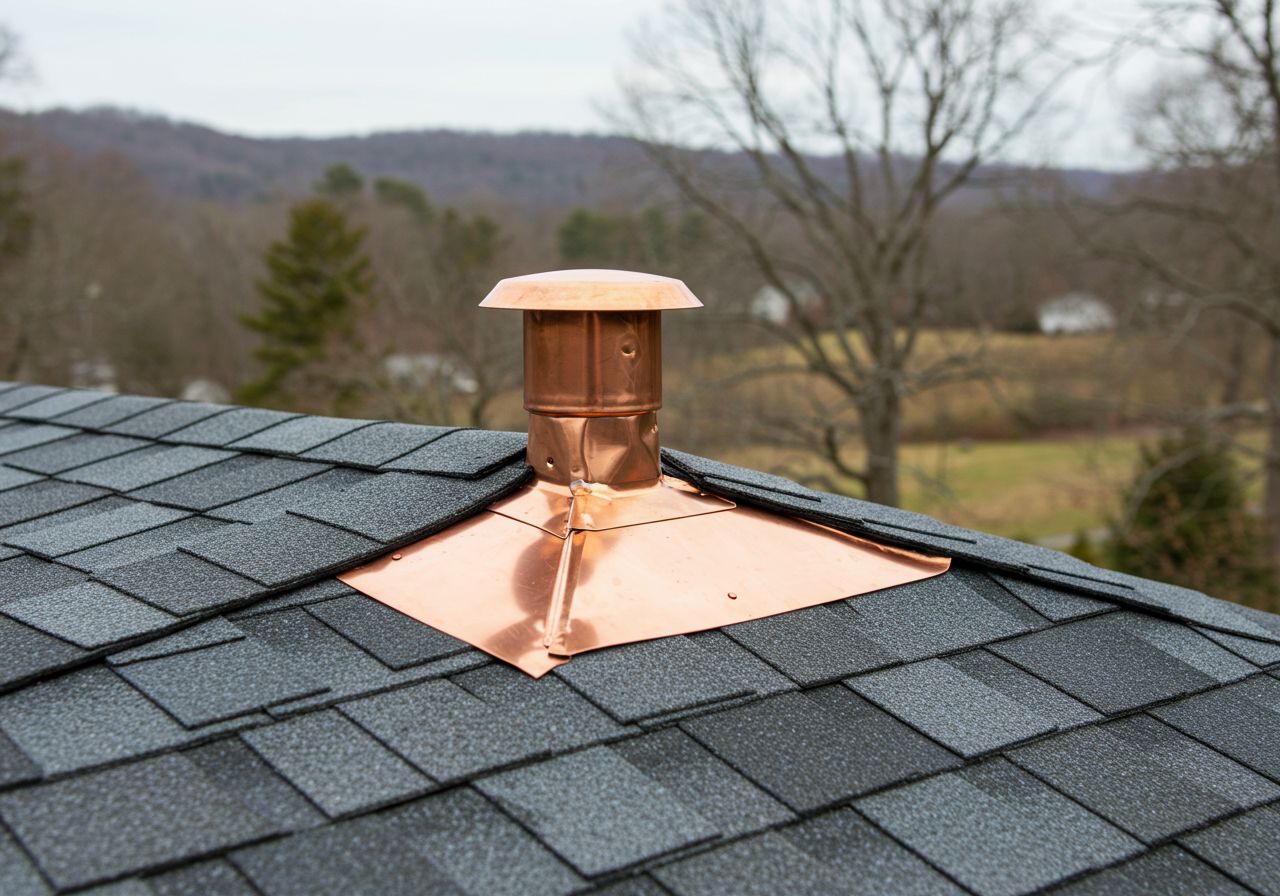
Watertown Weather Prep Guide
Understanding the critical components of effective roof weather preparation in Litchfield County
The "Visual Inspection" Myth: Why Your Eyes Are Lying to You
Most homeowners think they can spot a problem from the sidewalk. You can't. By the time you see a shingle curling from the ground, the underlayment has likely been compromised for two seasons. In Watertown, our temperature swings (the "freeze-thaw" cycle we all love) do most of their damage to the sealants and the metal flashings around your chimney.
I recently reviewed a quote where a contractor wanted $1,200 to "reseal the roof." I told the homeowner to ask for the specific brand of sealant and the linear footage they planned to cover. Turns out, they were just going to slap some $7 caulk around the vent pipes. That's not prep; that's a temporary Band-Aid that will crack before the first Fourth of July firework goes off.
If you're hiring someone to prep your roof, finding a contractor who actually shows up with a moisture meter and a GoPro is the only way to get real value. If they don't get on the roof, don't give them the job.
The $2,100 Gap in Your Gutter Strategy
Let's talk math. A 2,000-square-foot roof in Connecticut sees about 1,248 gallons of water for every single inch of rainfall. In a heavy spring storm, that's a massive volume of liquid that needs to be moved away from your house.
Most "weather prep" focuses on clearing leaves. But in Watertown, the real killer is gutter pitch. Over the winter, the weight of ice and snow often bends the hangers or pulls the spikes out of the fascia board. If your gutters are clean but the pitch has shifted by even half an inch, that water pools, backs up under your shingles, and rots your soffits.
But don't just take my word for it. According to FEMA's hurricane and storm mitigation guide, ensuring that drainage systems are structurally sound is more important than almost any other minor repair. If your "pro" isn't checking the hangers and the downspout elbows for structural integrity, they aren't prepping you for anything.
Flashings: The $4,100 Blind Spot
When I look at repair bills for Litchfield County homes, the biggest ticket item is almost always "flashing failure." Your shingles are designed to shed water; your flashings (the metal bits around chimneys, skylights, and valleys) are designed to redirect it.
I saw a case near Echo Lake where the homeowner thought his roof was failing. The quote he got was for a full $18,000 replacement. I took one look at his photos and realized the chimney cricket—a small peaked structure behind the chimney—was improperly flashed. The repair cost? $840.
Beware of 'Free Inspections'
Before you sign any contract for weatherproofing, demand a line-item breakdown of the flashing inspection. Are they checking the "step flashing" behind the siding? Are they looking at the "counter-flashing" in the brick mortar? If they can't explain the difference, they shouldn't be on your roof.
Why "Storm-Proofing" is Usually Just Marketing Fluff
You'll see a lot of ads this month for "storm-proof" coatings or "wind-resistant" shingle upgrades. Here's the reality: Connecticut building codes already require a certain level of wind resistance (typically 110-120 mph for our area).
Don't pay a premium for a "special" service that just ensures your roof meets the existing law. Instead, focus on the attachment points. If you are actually looking to upgrade your resilience, ask about "six-nailing" your shingles instead of the standard four. It costs about $300-$500 extra in labor for the whole roof, but it significantly increases the blow-off resistance during those weird microbursts we get in the hills.
If you're dealing with immediate issues from a recent storm, you're better off looking into emergency roofing services that specialize in structural stabilization rather than just buying a "protection plan" from a salesman.
The Attic Ventilation Connection (The Money-Saving Angle)
Weather prep isn't just about keeping water out; it's about keeping your money in. In Watertown, March is when you start to feel the heat build-up in the attic. If your roof prep doesn't include an audit of your soffit and ridge vents, you're missing the boat.
A roof that "bakes" from the inside out will lose 5 to 7 years of its lifespan. If you're considering an upgrade, look into "cool roofs" or reflective materials. Research from the Energy Star Cool Roofs guide shows that these can reduce peak cooling demand by up to 15%.
The Tax Credit Catch
You can actually find the official legal requirements for these credits in the IRS instructions for Form 5695. This isn't just "green" talk—it's a literal line-item deduction on your tax return.
Creating a Bulletproof Maintenance Log
The best way to "fix" your weather prep is to stop treating it like a one-time event and start treating it like a financial asset. I tell every Watertown homeowner I work with to keep a "Roof Binder."
Whenever someone steps on your roof, they need to sign off on:
- Sealant Integrity: (Pipe boots and vents)
- Fastener Check: (Are any nails "popping"?)
- Gutter Pitch: (Is the slope at least 1/4 inch per 10 feet?)
- Granule Loss: (Is the "sand" in the gutters excessive?)
If a contractor refuses to provide a signed checklist, don't pay the invoice. You are the boss of your home's equity. If you want to see what a fair, competitive price looks like for a real, vetted contractor in our area, you can get an instant quote tailored to Watertown. It's the easiest way to skip the negotiation games and get straight to the numbers.
Get Your Free Roof Quote
Enter your zip code to get started
Frequently Asked Questions

About Dana Jackson
Verified ExpertDana Jackson is a Homeowner Advocate & Cost Analyst who helps Connecticut families navigate the financial aspects of roofing projects. She specializes in finding the best value and avoiding common pricing pitfalls.