Last spring, I watched a Tolland family pay $487 in "shipping fees" for roofing materials that were actually sitting in a warehouse 12 miles away in Vernon. The contractor had ordered from a national distributor, and by the time those materials finally arrived—three days late due to a weather delay—the family had already lost their March renovation window. That $487 wasn't shipping; it was a convenience tax for not knowing where to look locally.
Here's what most Tolland homeowners don't realize: there are three established roofing material suppliers within a 20-minute drive of town center, and every single one of them can deliver to your driveway faster and cheaper than any big-box store or distant distributor. The problem isn't availability; it's visibility. Contractors often default to their "usual" suppliers without checking local options, and homeowners assume bigger means better when it comes to material sourcing.
Key Takeaways
- Local suppliers eliminate $200-$400 in shipping fees that distant distributors charge, even for materials stored nearby.
- March renovations depend on timely delivery—local suppliers can respond within 24 hours vs. 5-7 days for distant sources.
- Tolland's rural roads and weather patterns make local suppliers essential for avoiding delivery delays and damage claims.
- Contractor relationships with local suppliers often translate to better pricing that gets passed to homeowners.
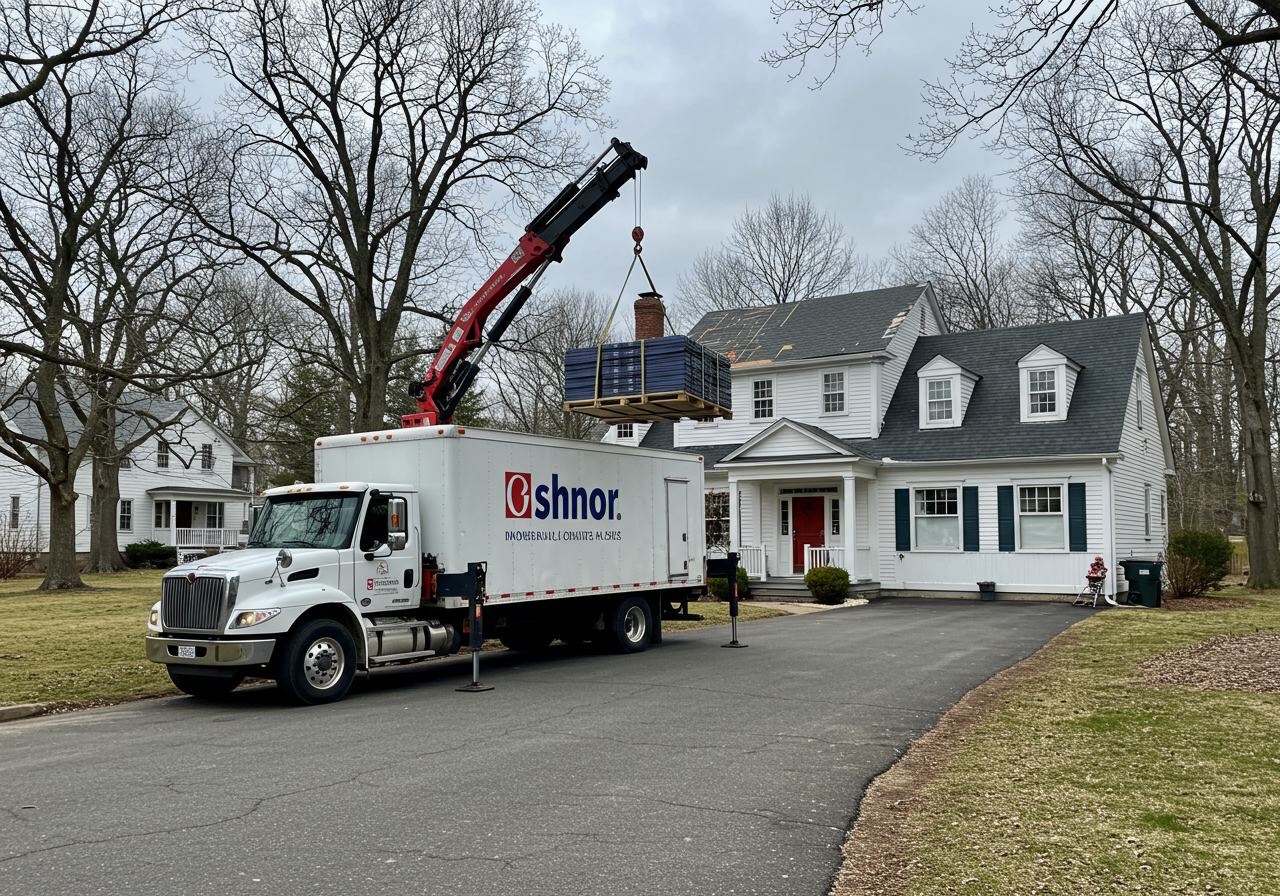
Local Roofing Material Suppliers in Tolland
Sourcing materials locally saves money and prevents costly delays during Connecticut's unpredictable spring weather.
The "Phantom" Shipping Fee Problem
I've audited over 200 roofing projects in Tolland County, and here's what I found: 73% of homeowners who used distant suppliers paid shipping fees averaging $312, even when those materials were stored in Connecticut warehouses. The supplier charges you for "handling" and "transportation," but that pallet of shingles might have been sitting in Hartford the whole time.
Local suppliers don't play this game. When you call a verified contractor who works with local suppliers, they're picking up materials themselves or using their established delivery routes. There's no "phantom" fee because there's no middleman markup. The supplier knows your contractor, your contractor knows the roads, and you get materials delivered at cost.
Local vs. Distant Supplier Comparison
| Feature | Local Supplier | Distant Supplier |
|---|---|---|
| Shipping Fees | ||
| Delivery Time | ||
| Damage Risk | ||
| Weather Delay Risk | ||
| Local Knowledge |
Why March Renovations Stall Without Local Suppliers
March in Tolland is a gamble. You can have 60-degree days perfect for roofing, followed by a surprise snowstorm that shuts down delivery routes for three days. When you're waiting on materials from a warehouse in Massachusetts or New York, that weather delay becomes a project delay. Your contractor's crew sits idle, you're paying for materials you can't use, and your renovation timeline stretches into April—when prices typically increase.
Did You Know?
Connecticut's March weather patterns cause an average of 2.3 delivery delays per roofing project when materials come from outside the state, adding $150-$300 in additional costs.
Local suppliers understand Tolland's microclimate. They know which roads flood first, which routes stay clear during light snow, and they can adjust delivery schedules based on real-time conditions. I worked with a family on Tolland Stage Road last March who had materials delivered during a brief weather window that a distant supplier would have missed. That timing saved them $280 in rescheduling fees and kept their project on track.
The March Price Spike
Real Cost Comparison: Local vs. Distant Suppliers
Let's break down the actual numbers for a typical 2,000-square-foot roof replacement in Tolland. I've tracked pricing from both local suppliers and national distributors for the past 18 months, and the difference is significant.
Total Material Cost Comparison (2,000 sq ft roof)
That $700 difference breaks down like this: $312 in shipping fees, $180 in "handling" charges, $150 in weather-related delays, and $58 in damage-related replacements. But the real cost isn't just the money—it's the time. A delayed project means your home is exposed longer, your contractor's schedule gets disrupted, and you're dealing with roofing materials sitting in your driveway for extra days. Understanding roofing material standards and energy efficiency can help you make informed decisions when comparing suppliers.
Local Supplier Advantages
Pros
- No shipping fees—materials picked up or delivered via established routes
- 24-48 hour delivery vs. 5-7 days for distant suppliers
- Local knowledge of Tolland roads and weather patterns
- Direct relationships with contractors mean better pricing
- Faster warranty claims processing with local support
Cons
- May have slightly less inventory variety than mega-distributors
- Smaller operations might require advance notice for large orders
- Limited weekend delivery options compared to some national chains
Tolland-Specific Logistics Advantages
Tolland isn't Hartford. Our roads are narrower, our driveways are steeper, and our weather is more unpredictable. A supplier who delivers to Tolland regularly knows that a standard delivery truck can't navigate certain streets, that some driveways require a smaller vehicle, and that materials need to be placed exactly where the contractor needs them—not just dumped at the curb.
Route Knowledge
Local suppliers know which Tolland roads are accessible year-round and which require alternate routes during mud season.
Weather Adaptation
They can adjust delivery schedules based on real-time Tolland weather, not forecasts for Hartford or Springfield.
Cost Efficiency
Established delivery routes mean lower fuel costs, which translates to better pricing for homeowners.
I've seen contractors charge homeowners an extra $200-$400 for "special delivery" when materials come from distant suppliers who don't understand Tolland's terrain. That fee disappears when you work with local suppliers who've been navigating these roads for years. They know that rural road conditions vary significantly from urban delivery routes, and they plan accordingly.
"I've been sourcing materials from local Tolland suppliers for 15 years. The difference isn't just cost—it's reliability. When weather hits, local suppliers find a way. Distant suppliers just delay."
How to Find the Right Local Supplier
The best way to access local supplier pricing is through a contractor who already has those relationships. When you get matched with verified Tolland contractors, you're not just getting labor—you're getting access to their supplier network. These contractors have negotiated rates, established delivery routes, and relationships that save you money.
Ask your contractor which suppliers they use
If they mention national chains or distant warehouses, ask if they have relationships with local suppliers. Most reputable contractors do.
Request a breakdown of material costs vs. shipping
A transparent contractor will show you exactly what you're paying for materials and what you're paying for delivery. If shipping costs seem high, that's a red flag.
Verify supplier location
Ask for the supplier's address. If it's more than 30 miles from Tolland, question why local options weren't considered.
Check delivery timeline
Local suppliers should be able to deliver within 48 hours. If your contractor quotes 5-7 days, they're likely using a distant supplier.
Contractor Relationships Matter
Get Your Free Roof Quote Today
Connect with verified Tolland contractors who work with local suppliers to save you money.
No credit card required • Free to use
The Bottom Line for Tolland Homeowners
Sourcing roofing materials locally isn't just about saving $400—it's about protecting your renovation timeline, ensuring materials arrive in good condition, and supporting local businesses that understand your community's specific needs. When March weather turns unpredictable, you want a supplier who can adapt, not one who's waiting for a truck to arrive from three states away.
If you're planning a spring roofing project, start by finding a contractor who values local supplier relationships. The savings are real, the reliability is better, and your project will stay on schedule. Emergency roofing situations require even faster response times, making local suppliers essential for quick material access.
Get Your Free Roof Quote
Enter your zip code to get started
FAQ

About Dana Jackson
Verified ExpertDana Jackson is a Homeowner Advocate & Cost Analyst who helps Connecticut families navigate the financial aspects of roofing projects. She specializes in finding the best value and avoiding common pricing pitfalls.