As the light starts to shift over the Westbrook shoreline and those early hints of spring tease us in late February, my mind always wanders to what our houses endured over the last few months. Living along the Sound is a gift, but for our roofs, it's a marathon. Between the salt spray that can subtly corrode metal flashing and those oscillating freeze-thaw cycles that push shingles to their limits, Westbrook homes take a unique kind of beating. I was walking my dog near West Beach recently and noticed a neighbor's colonial where the shingles looked perfectly fine from a distance, but upon closer look, the coastal winds had lifted the edges just enough to invite a spring leak.
It's easy to ignore the roof until a bucket is needed in the living room, but a proactive look right now—before the heavy April rains arrive—is the smartest design move you can make for your home's longevity.
Key Takeaways
- Catching shingle lift early prevents the $1,200+ interior water damage repairs common after spring storms.
- Salt air in Westbrook accelerates the aging of flashing; checking these seals is vital for shoreline longevity.
- Attic inspections can reveal ventilation issues that impact your cooling costs before the summer humidity hits.
- A documented inspection helps in verifying insurance claims if a late-season nor'easter causes visible damage.
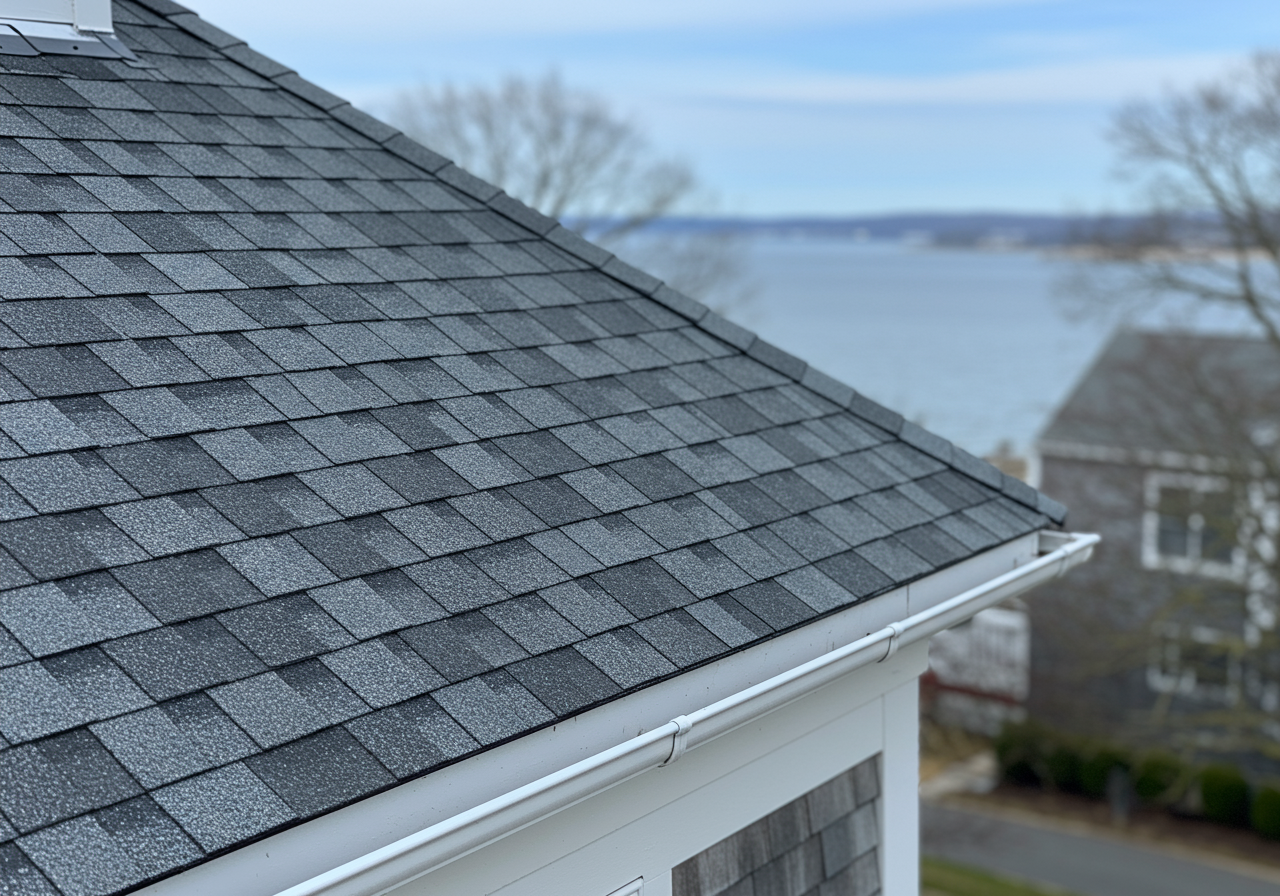
Spring Roof Inspection in Westbrook
Coastal homes require special attention to salt damage and wind-lifted shingles
The Shoreline Scars of a Connecticut Winter
Westbrook isn't like the inland towns; our weather is a conversation with the Atlantic. While homeowners in Hartford might just worry about snow weight, we deal with the "salt-and-sand" effect. This abrasive mix, combined with wind gusts that can easily top 50 mph during a coastal blow, acts like sandpaper on asphalt shingles.
Salt Air and Asphalt Degradation
The salt in our air doesn't just make the breeze smell nice; it can actually accelerate the breakdown of the bitumen in your shingles. If your roof is over 12 years old, you might notice the surface looking "thirsty" or brittle. I've seen roofs in Middlesex County lose their protective granules 15% faster than homes just twenty miles north. When those granules go, the UV protection goes with them, leaving your home vulnerable to the summer sun.
The Thaw-Freeze Cycle in Middlesex County
We often get those mid-February days where it feels like spring, only for the temperature to plummet at night. This cycle is brutal on roof penetrations. Water seeps into tiny cracks around your chimney or vent pipes during the day, freezes into ice at night, and expands. This "prying" action is how a tiny gap becomes a major headache. According to FEMA's hurricane mitigation guide, ensuring your roof deck and attachments are secure is the first line of defense against the high-pressure shifts we see on the coast.
Scoping Out the Shingles Without a Ladder
I always tell my friends that you don't need to be a daredevil to inspect your roof. In fact, I prefer the "ground-up" approach. Grab a pair of binoculars and stand across the street. You want to look at how the roof meets the sky—is the line straight? Are there any shingles that look like they're "smiling" (curled upwards at the edges)?
Identifying Curled or "Fish-mouthed" Edges
If you see shingles that are lifting, that's a red flag. In Westbrook, wind-lift is our biggest enemy. Once the seal is broken, the next storm can peel those shingles back like a banana. I remember a case study from a few years ago where a homeowner ignored three lifted shingles on their Cape Cod-style home; by June, a single thunderstorm had turned those three shingles into a $4,800 partial roof replacement because the underlayment was saturated.
Spotting Granule Loss in the Gutters
The next time we get a light rain, take a look at your downspout exits. Are you seeing what looks like coarse gray sand? Those are your shingle granules. A little bit is normal, but if it looks like a beach is forming at the end of your spout, your roof is reaching the end of its functional life.
The Gutter and Flashing Connection
The roof isn't just the shingles; it's the entire drainage system. In Westbrook, our gutters often collect more than just leaves—they get clogged with oak tassels and pine needles that retain moisture against the roof edge.
Why Shoreline Debris is Different
Because we have so many majestic old trees near the water, our gutters work overtime. When debris sits in the gutter, it wicks water back up under the first row of shingles. This is the primary cause of fascia rot. I've found that finding a contractor who actually shows up for a gutter tune-up in March is much easier than trying to book one when everyone has a leak in May.
Checking the Metal Transitions
Look closely at the "valleys" where two roof planes meet. These are usually lined with metal. Salt air can cause pitting in older aluminum or galvanized steel flashing. If you see rust stains or gaps in the sealant, it's time for a professional touch-up.
Pro Tip
Assessing Attic Health Before the Humidity Hits
Your roof's "interior" is just as important as the exterior. I always head into the attic during a bright day with the lights off. It's a bit spooky, but it's the best way to see the truth about your roof's health.
Identifying Daylight and Damp Spots
If you see "stars"—tiny pinpricks of daylight coming through the roof deck—you have a problem. Even if it isn't leaking yet, it will. Also, keep an eye out for dark staining on the rafters. This is often a sign of poor ventilation rather than a direct leak. Research from Energy Star shows that proper ventilation and "cool roof" principles can significantly reduce the strain on your shingles while lowering your AC bills by up to 10-15%.
The Ventilation-Design Balance
A well-designed roof needs to breathe. If your attic feels like a sauna in February, your shingles are being "cooked" from both sides. Check that your soffit vents aren't blocked by insulation. It's a small fix that can add 5 years to the life of your roof.
"Your roof line is a design choice, but its ventilation is its heartbeat. A beautiful roof that can't breathe is just a countdown to a costly replacement."
Transitioning from Inspection to Action
Once you've done your walk-around, you'll likely have a list. Maybe it's just a few popped nails, or maybe it's a realization that the 20-year-old shingles have finally given up the ghost.
When to Call in the Pros
Don't wait for the leak to reach your ceiling joists. Small repairs like replacing a few shingles or resealing a chimney flue are affordable. If you find yourself facing an urgent issue after a late winter gale, don't panic—there are emergency repair services available that specialize in shoreline storm damage.
Comparing Estimates for Spring Repairs
If the news is that you need a full replacement, take a breath. This is an opportunity to improve your home's curb appeal and energy efficiency. Some high-efficiency materials may even qualify for federal incentives; you can check the IRS instructions for residential energy credits to see if your new roof qualifies for a tax break. I always recommend that homeowners get a real-time quote to establish a baseline for what a fair price looks like in the Westbrook area.
Get Your Free Roof Quote
Enter your zip code to get started
Westbrook is a beautiful place to call home, and keeping a close eye on your roof is how you protect that investment. By spending twenty minutes with a pair of binoculars this weekend, you're not just looking for problems—you're ensuring your home stays the sanctuary it's meant to be.
FAQ

About Sheri Wilde
Verified ExpertSheri Wilde is a Home Improvement Editor with a background in interior design and sustainable living. She helps Connecticut homeowners make informed decisions about their biggest investments.