Key Takeaways
- Invisible Damage: Just because you don't see shingles in your yard near Wangumbaug Lake doesn't mean your roof escaped unscathed.
- The 48-Hour Rule: Assessing damage within two days of a weather event is the sweet spot for insurance documentation and preventing mold.
- Attic Evidence: Your attic often reveals storm damage long before your ceiling shows a single water spot.
- Code Compliance: Connecticut building codes dictate specific repair requirements that many out-of-state contractors ignore.
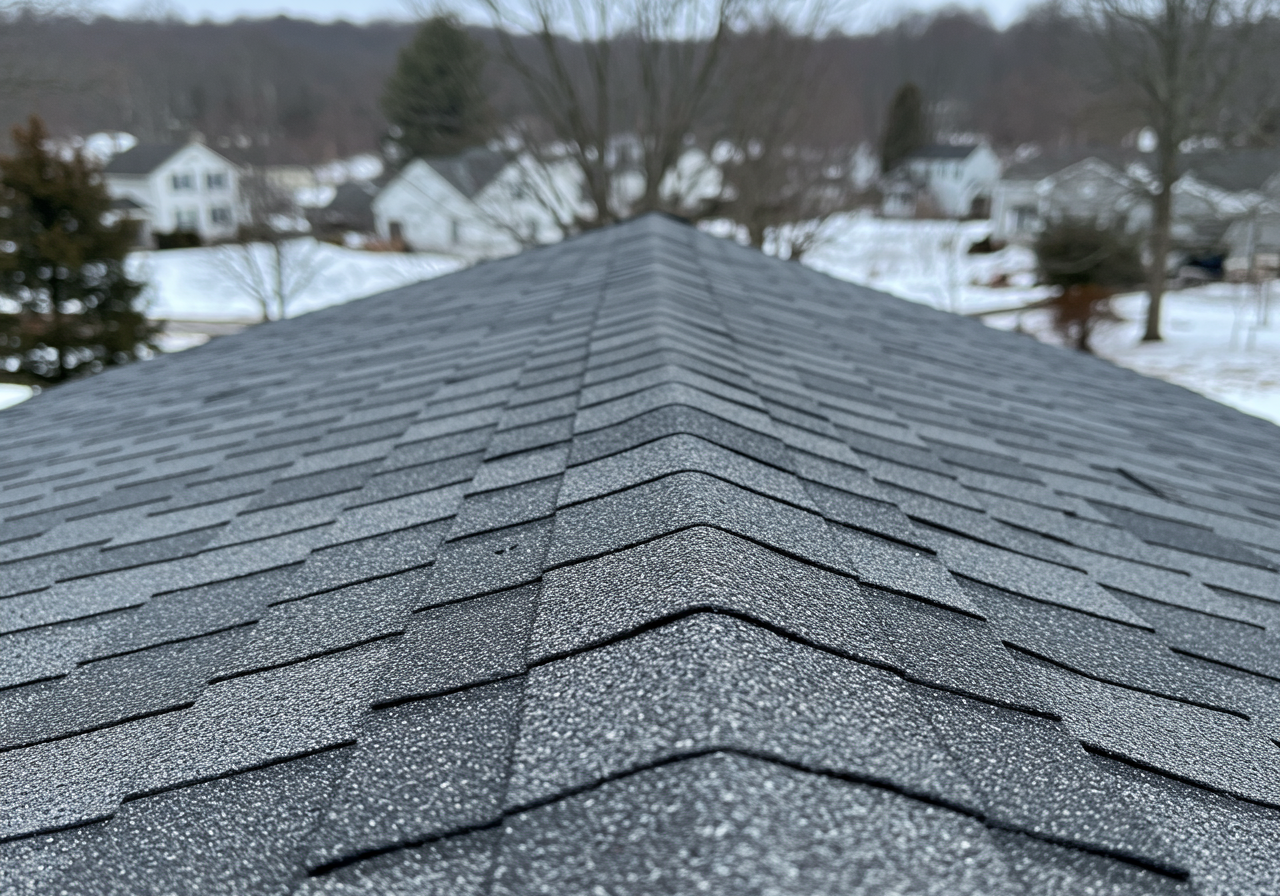
Storm Damage Assessment
Understanding the hidden signs of storm damage that can cost Coventry homeowners thousands if left unchecked.
Most folks in Tolland County think that if their roof isn't missing a giant chunk of shingles after a February blow, they've dodged a bullet. They assume that "damage" has to be loud, obvious, and dramatic—like a fallen oak branch through the rafters. But that's a dangerous myth. In my years tracking Connecticut's erratic weather patterns, I've found that the most expensive roof failures start as silent, microscopic fractures. A "quiet" storm can strip the protective granules off your shingles or break the thermal seal between them without ever moving a single piece of felt. If you wait until the ceiling in your hallway starts dripping, you've already lost the battle against rot and mold.
1. The Hidden Impact of Granule Loss
When I'm out near Patriot's Park checking on homes after a rough patch of weather, the first thing I look at isn't the roof—it's the gutters. Shingles are essentially just a mat of fiberglass or organic material coated in asphalt and "sand" (granules). Those granules are the only thing protecting the asphalt from UV rays. After a significant weather event, you might find what looks like heavy dark sand in your downspouts. If you see more than a tablespoon of it, your shingles have been "bruised." This accelerated shedding cuts years off the life of your roof. I've seen 30-year roofs in Coventry reach their expiration date in just 12 years because the homeowners ignored this "sandpaper" warning.
2. Why "No Leaks" is a False Security
I once met a homeowner near the Mansfield line who was convinced his roof was fine because his upstairs was dry. Two months later, his entire soffit was rotting. Storm damage often works horizontally before it works vertically. Wind can lift the edge of a shingle—what we call "tab uplift"—breaking the sealant strip. Once that seal is broken, it never sticks back down on its own. Every subsequent rain pushes a tiny amount of water under that shingle. It doesn't leak into your bedroom; it soaks into the roof deck. By the time you see a brown spot on your drywall, the plywood underneath is likely soft enough to poke a finger through. Finding and fixing these small leaks before they migrate is the difference between a $600 patch and a $16,000 disaster.
3. The Ground-Level Detective Strategy
You don't need a 40-foot ladder to do a preliminary assessment. In fact, I prefer the "binocular method" for Coventry residents. Walk to the edge of your property and look at the "lines" of your roof. Are they straight? Do you see any "shadowing"—areas where a shingle looks slightly darker or lifted? Check your metal flashing around the chimney. If it looks like it's pulled away even a fraction of an inch, that's an entry point for moisture. I always tell people to cross-reference their roof's age with the local storm history data before assuming everything is fine. If your roof is over 15 years old, its ability to "bounce back" from a storm is significantly lower than a fresh install.
Did You Know?
Did you know that Connecticut's specific building codes often require a full roof replacement if more than 25% of the surface is damaged? Patching isn't always a legal option if you want to stay up to code.
4. Attic Admissions and Insulation Checks
Your attic is a truth-teller. Grab a high-powered flashlight and head up there during the day. Turn off the lights. Do you see any "stars"? Tiny pinpricks of daylight are a dead giveaway that your shingles or flashing have been compromised. Look at your insulation. If it looks "matted" or flat in certain sections, water has been there recently. Also, check for "rust" on the nails poking through the roof deck. Shiny nails are good; rusty nails mean you have a humidity or leak problem. According to the International Code Council (ICC) standards, proper ventilation and deck integrity are non-negotiable for a safe home.
5. Identifying the "Storm Chaser" Red Flags
Whenever a storm rolls through Tolland County, the "storm chasers" follow. These are out-of-state contractors who knock on doors promising a "free roof" through insurance. Here is my rule: if their license plate isn't from Connecticut, don't let them on your roof. These guys often perform "slash and dash" jobs—they do the bare minimum to satisfy an insurance claim and disappear. If your roof fails three years later, good luck finding them. A local Coventry contractor knows our specific weather challenges, from the heavy snow loads to the humid summer thaws. They have a reputation to protect at the local hardware store, unlike a guy in a white van from three states away.
6. Decoding the Insurance Adjuster's Reality
Insurance adjusters are trained to look for "functional damage," but their definition might be narrower than yours. They want to see "bruises" or missing material. I've seen many adjusters overlook "marginal damage" that will eventually cause a failure. This is why having a professional assessment before the adjuster arrives is vital. You want someone on your side who can point out the broken seals and granule loss that the adjuster might "miss." If you end up needing a full roof replacement, you want every square inch of damage documented to ensure the claim covers the actual cost of materials in 2026.
Estimated Cost of Post-Storm Delay (5-Year Outlook)
7. Connecticut Building Codes and Energy Upgrades
If the storm damage is extensive enough to warrant a new roof, don't just put back what you had. Connecticut has seen a massive shift in building requirements over the last few years. For instance, if you are doing a significant overhaul, you might be eligible for federal tax credits. Per the IRS instructions for Form 5695, certain energy-efficient roofing materials can qualify for a credit. Upgrading to "cool roof" technology, which is backed by Energy Star guidelines, can significantly lower your summer cooling bills in Coventry. It's about turning a storm-related headache into a long-term financial win.
8. The Financial Price of "Wait and See"
I get it—nobody wants to spend money on a roof if they don't have to. But in the roofing world, "wait and see" is the most expensive strategy you can employ. A small leak in February becomes a mold colony by May and a structural failure by August. The cost of materials isn't going down, and the cost of labor in Tolland County remains premium. I've logged the storms that actually rip shingles off, and it's rarely the first storm that does the most damage—it's the third one hitting a roof that was already weakened by the first two. For more deep dives into how CT weather affects your home, check out our comprehensive roofing blog.
Perform a ground-level visual scan
Use binoculars to check roof lines for straightness and look for shadowing or lifted shingles.
Check gutters and downspouts
Look for excessive asphalt granules—more than a tablespoon indicates shingle damage.
Inspect the attic
During daylight hours, turn off lights and look for pinpricks of daylight, damp insulation, or rusted nails.
Document all findings
Take clear, dated photos of any damage you find for insurance and contractor reference.
Schedule a professional inspection
Contact a verified local contractor within 24-48 hours of the storm for a thorough assessment.
Get Your Free Roof Quote
Enter your zip code to get started
FAQ

About Noah Knight
Verified ExpertNoah Knight is a Connecticut Weather & Climate Specialist who helps homeowners understand how New England's unique weather patterns affect their roofing systems. He combines meteorological knowledge with practical home maintenance advice.