The lilacs are finally catching their breath across Washington, and if you're like most of my neighbors near the Green, your mind is probably shifting from winter drafts to spring renewals. May is a beautiful time in the Northwest Hills, but it's also the moment many of us realize that the winter freeze-thaw cycle wasn't kind to our shingles. I was chatting with a friend near Washington Depot recently who was quoted $18,750 for a new asphalt roof. She had the curb appeal planned out—a gorgeous charcoal architectural shingle—but her face fell when we talked about how to actually pay for it.
Key Takeaways
- Washington homeowners can save roughly 2.5% on interest by using CT-specific Smart-E loans instead of many national personal loans.
- Financing can fund material upgrades, like impact-resistant shingles, which may help insurance outcomes in storm-prone Litchfield County.
- Always compare the dealer fee in contractor-offered financing against home-equity options so a "0%" pitch does not hide a $2,000+ surcharge.
- Securing a line of credit in May can beat the mid-summer rush when lenders and top crews are most backlogged.
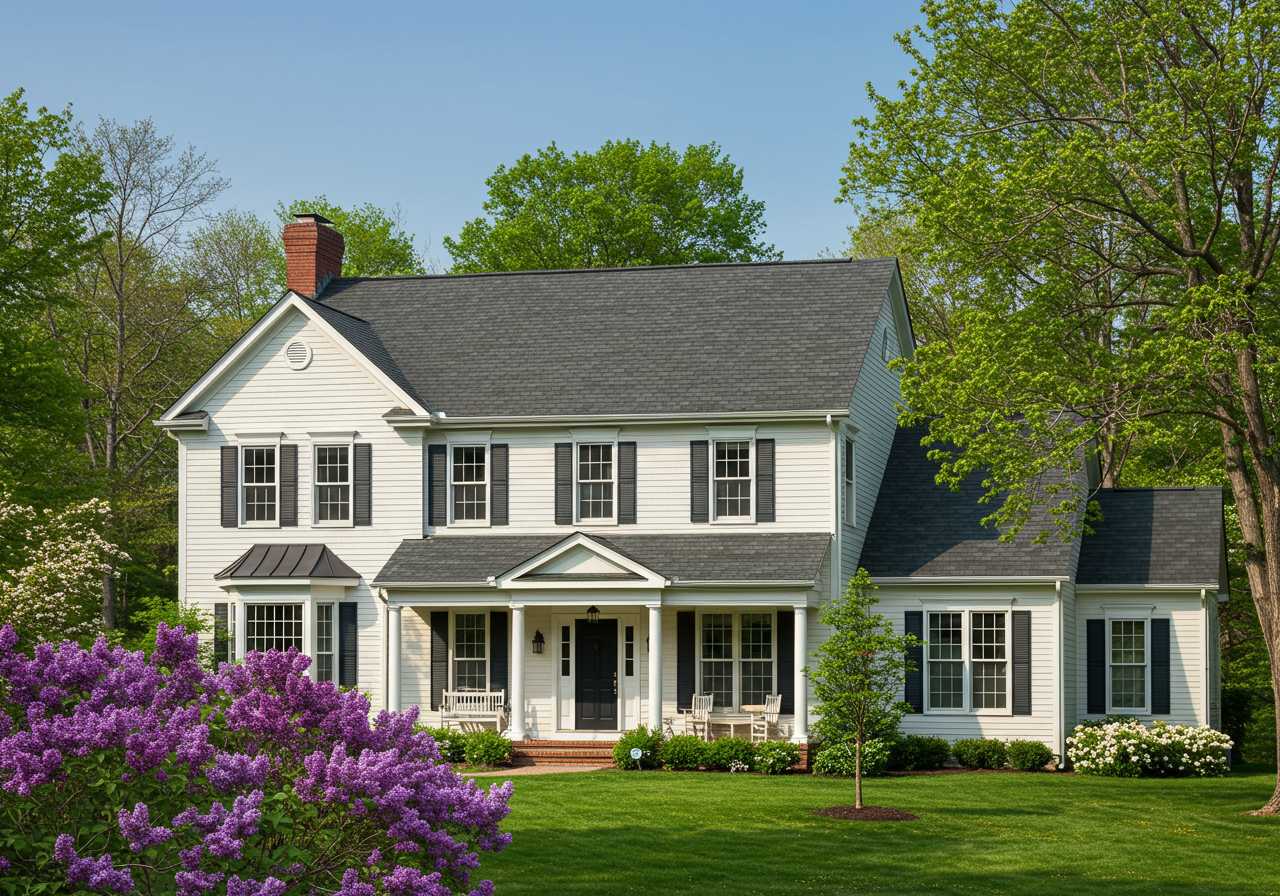
The "common mistake" I see too often? Homeowners wait until a leak becomes an emergency, forcing them into high-interest emergency financing that can cost an extra $2,400 or more in interest over the life of the loan. Financing isn't just about having the money; it's a design tool. When you get the numbers right, you can afford the higher-quality materials that suit our Litchfield County aesthetic rather than settling for the budget option that looks out of place on a historic colonial.
Washington Roof Financing
Planning a 2026 replacement in the Northwest Hills—without paying thousands in hidden financing costs
Local Equity vs. National Personal Loans
In Washington, our property values have remained remarkably resilient. This means many of us are sitting on significant home equity that can be tapped for major improvements. But I've noticed a trend where people opt for instant approval personal loans they find online because they're afraid of the paperwork.
Here's the thing: a personal loan might get you the cash in 48 hours, but the interest rates in May 2026 are hovering around 11.4% for those with good credit. If you're planning a full roof replacement that matches how your home actually performs, that interest adds up fast. On the other hand, a Home Equity Line of Credit (HELOC) or a dedicated home improvement loan through a local Connecticut bank often sits closer to 7.2%.
But I'll be honest—HELOCs take time. If you're seeing water spots on your ceiling today, you might not have three weeks to wait for an appraisal. In those cases, I tell people to stabilize the roof with targeted repairs first to buy a few months while the better financing clears. It's about balance. You don't want to sign away thousands in interest just because you're in a hurry.
Financing Comparison: $20,000 Roof Project
| Feature | Local HELOC | Personal Loan | Contractor "0%" |
|---|---|---|---|
| Ongoing APR often stays in single digits for qualified borrowers | |||
| Cash available within a few business days | |||
| Minimal hidden dealer or origination padding | |||
| Interest may be tax-deductible for substantial home improvements |
The Truth About "Zero Percent" Offers
We've all seen the yard signs: "No Interest, No Payments for 12 Months!" It sounds like a dream, especially when you're trying to keep your cash liquid for summer travel. But as a design editor, I look at the fine print of how these roofs are priced.
Often, the contractor has to pay a dealer fee to the finance company to offer you that 0% rate. That fee can be as high as 12% of the total project cost. Guess where that cost goes? It's usually baked right into your quote. So, while you aren't paying interest on paper, you might be paying a $2,200 premium on the roof itself.
I've seen cases where a homeowner could have paid $16,000 cash but ended up with an $18,500 "0% interest" loan. Does that mean you should never use it? Not necessarily. If you know you can pay the balance off in 11 months, it's a great tool. But if you miss that window by even one day, many of these contracts back-charge all the interest from day one. According to ENERGY STAR's guidance on cool roofs and home upgrades, choosing the right financing matters for long-term ROI—not just the shingles you pick.
Contractor-Promoted Financing
Pros
- Fast approval while the contractor is at your kitchen table
- Preserves cash for other home design projects
- Can work when you have a firm payoff plan before deferred interest kicks in
Cons
- Hidden dealer fees often inflate the base price of the roof
- Deferred interest can become expensive if the balance is not paid in full on time
- Can reduce leverage when you negotiate total project scope and line items
Compare Washington Roofing Quotes Without the Pressure
Get matched with vetted Connecticut pros and keep your financing conversations factual.
No credit card required • Free to use
Leveraging Connecticut's Smart-E Loans
We are lucky to live in Connecticut when it comes to energy-efficient financing. The CT Green Bank offers the Smart-E Loan. I like it for Washington residents because it encourages us to think about our roofs as part of a system, not just a lid.
If you choose a cool roof shingle—one that reflects more sunlight—you can often qualify for lower-interest financing through these state-backed programs. This isn't only about the loan payment; it's about the $30 or $40 you save on your Eversource bill during humid July heatwaves. EPA research on cool roofs and urban heat shows reflective roofing can lower attic temperatures, which helps preserve the roof structure over time.
And let's talk about the look. Many people think energy efficient means a bright white roof. Not anymore—you can get deep browns and slate grays that still meet program standards. I suggest homeowners run the numbers on total project cost before choosing materials so a modest upgrade to certified products is weighed against better loan terms and monthly utility savings.
Find an authorized contractor
Choose a CT Green Bank authorized contractor—many in the ZikQuote network already work with these programs.
Request certified materials on the quote
Ask for ENERGY STAR certified cool roof options in writing so eligibility is clear to the lender.
Apply through a participating lender
Complete the Smart-E application with a Litchfield County lender that processes these loans regularly.
Align the draw schedule
Confirm how funds are released so your project start date matches crew availability.
Close with satisfaction checkpoints
Many programs pay the contractor after you confirm the work—keep punch-list items documented.
Impact on Curb Appeal and Neighborhood Value
In a town like Washington, where the aesthetic is part of our collective property value, how you finance your roof dictates the quality of the finish. I've seen homeowners take out a small personal loan that only covers basic 3-tab shingles. On a beautiful colonial or a mid-century modern home in the hills, those thin shingles can look flat and out of scale.
By using a longer-term home improvement loan, you might increase your monthly payment by only $15, yet afford a heavy-weight designer shingle with deep shadow lines. That visual weight can support resale math in competitive Litchfield County markets—your roof is a huge share of what people see from the street.
Did You Know?
In Connecticut, some lenders offer resiliency discounts on interest rates when your replacement follows FEMA-backed mitigation thinking for sloped roof systems—worth asking your loan officer about before you sign.
For sloped-roof specifics and strapping patterns worth discussing with your contractor, see FEMA's fact sheet on sloped roof systems (PDF)—it is a useful checklist to pair with financing conversations, not a substitute for your own engineer or roofer.
Timing Your Application in the May Market
May is the sweet spot for roofing in Washington. The ground is dry enough for equipment, and the summer humidity has not made the work miserable for crews yet. It is also when everyone else has the same idea—so schedules tighten fast.
"In the Litchfield Hills, we see a 'May Rush' every year. Homeowners who come to the table with their financing already organized usually get the priority slots and the most experienced lead foremen."
If you're lining up financing, get pre-approval before you start calling contractors. A clear budget floor makes you a better client for the crews you actually want. When funding is already organized through a bank or a state program, good teams are often more willing to fit you into a June slot.
Wrapping Up Your Washington Project
Navigating the dollars and cents of a new roof doesn't have to be a headache. Whether you want sleek metal for a modern vibe or classic shingles for a colonial, the right financing plan supports the whole project—not just this month's payment.
Look local first. Connecticut programs and Litchfield County lenders often understand our property values better than a distant national call center. Get every option on paper, compare total cost—not only the monthly payment—and leave room for materials that match how long you plan to own the home.
Get Your Free Roof Quote
Enter your zip code to get started
FAQ

About Sheri Wilde
Verified ExpertSheri Wilde is a Home Improvement Editor with a background in interior design and sustainable living. She helps Connecticut homeowners make informed decisions about their biggest investments.