
Key Takeaways
- Cool roofing can reduce roof surface temperatures by up to 52°F during peak summer months.
- Glastonbury homeowners often see a 12% to 17% reduction in annual cooling costs with high-SRI materials.
- Energy Star-rated shingles often qualify for specific federal tax credits that offset the initial 14% price premium.
- Reflective technology is no longer limited to 'white' roofs; modern granules allow for traditional aesthetics.
Right now, as we're staring down the barrel of a damp February in Glastonbury, most of you are probably more worried about ice dams on your gutters than the blistering sun. But here's the reality: the decisions you make while looking at a snowy roofline today dictate whether you're going to fork over an extra $432 to Eversource come August. In my experience, homeowners in the Hartford County area tend to view roofing as a "keep the rain out" problem, completely ignoring the "keep the heat out" financial drain.
The problem is that standard dark asphalt shingles act like a thermal battery. They soak up solar radiation and dump it directly into your attic, forcing your AC to work overtime. I've spent years analyzing attic temperatures across the state, and the data doesn't lie—a traditional roof in the middle of a CT July can easily hit 158 degrees.
The Solar Reflectance Index (SRI) Breakdown
To understand why your current roof is failing your wallet, we have to look at the Solar Reflectance Index, or SRI. This isn't just some marketing term cooked up by shingle manufacturers; it's a precise measurement of a surface's ability to stay cool in the sun. It combines solar reflectance (the ability to bounce sunlight back) and thermal emittance (the ability to shed absorbed heat).
Most standard charcoal shingles have an SRI near 4 or 5. By comparison, a "cool roof" shingle often hits an SRI of 28 or higher. Here is the thing: that delta represents a massive difference in heat transfer. When I'm inspecting a home near the Glastonbury Hills Country Club, I'm looking at the orientation of the gables as much as the age of the shingle. A south-facing roof with low SRI is essentially a giant radiator.
Solar Reflectance Index (SRI) by Material Style
Asphalt vs. Metal: The Glastonbury Efficiency Face-Off
When homeowners ask me about upgrading, the conversation usually turns into a battle between high-tech asphalt and standing seam metal. Both have their merits in our climate, especially considering the heavy snow loads we see in February followed by the humidity of July.
High-Reflectivity Asphalt Shingles
Brands like GAF (with their Timberline CS line) or Owens Corning (Duration Cool) use specialized granules that reflect infrared light. To the naked eye, they look like a standard architectural shingle—maybe a bit "crisper" in color. The advantage here is cost-effectiveness. You're getting a performance boost without the 2x price jump of metal.
Standing Seam Metal Roofing
Metal is the gold standard for cool roofing in Connecticut. Because the material itself is thin and typically installed with an airspace (or "thermal break") underneath, it doesn't hold heat. If you upgrade to a new roof system using pre-painted Kynar 500 finishes, the emissivity levels are off the charts.
Cool Roof Material Comparison
Pros
- Reflective asphalt mimics traditional New England aesthetics perfectly
- Metal roofing lasts 48+ years compared to 22 years for shingles
- Cool roofs extend the life of your AC unit by reducing cycle frequency
- Reflective granules prevent 'thermal shock' that cracks shingle mats
Cons
- Cool shingles carry a 13-16% price premium over standard grades
- Metal roofing requires specialized installers to prevent expansion noise
- Certain HOA rules in Glastonbury may restrict high-reflectance white finishes
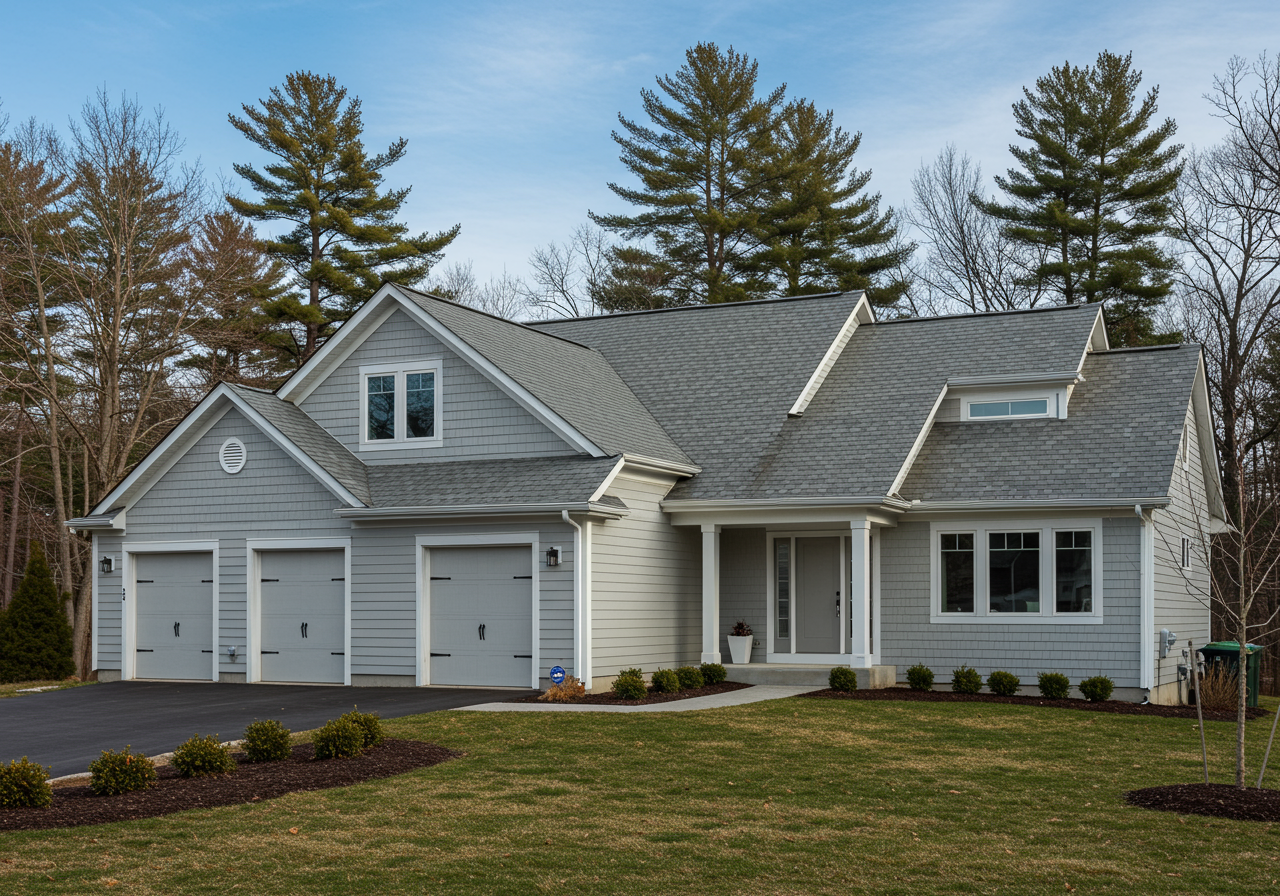
Cool Roof Installation in Glastonbury
High-SRI materials reflect solar heat, keeping your attic cooler and reducing summer energy costs by up to 17%.
The "Attic Trap" and Why Insulation Matters
I often tell my crews that a cool roof is only half the battle. If your roof is reflecting heat but your attic has the ventilation of a cardboard box, you're still going to suffer. In Glastonbury, we have a lot of older Colonials where the soffit vents have been painted shut over the last 30 years.
When we install a cool roof, we're aiming to reduce the "delta T"—the temperature difference between the outside air and your ceiling. If I see a house where the insulation is compressed to three inches, even the best reflective shingles won't save the homeowner from a $400 electric bill. You need a holistic approach. It's about the shingles, the ridge vent, and the R-49 insulation in the floor.
I've seen cases where finding a contractor who actually calculates airflow made more of a difference than the material choice itself. Don't let someone sell you "cool shingles" without looking at your intake vents first.
"The biggest mistake I see in Hartford County is homeowners buying a cool roof but ignoring their attic's static pressure. If the air doesn't move, the heat stays."
ROI: Calculating the Real-World Savings
Let's talk numbers, because that's what actually matters when you're signing a contract. A typical 2,500-square-foot roof in Glastonbury might cost $14,200 for standard shingles. Upgrading to a cool-rated shingle might bump that to $16,100. That's a $1,900 difference.
Is it worth it? If you're saving $145 per summer on cooling and extending your shingle life by three years because of reduced thermal degradation, the "payback" period is usually within 7 to 9 years. If you plan on staying in your home for the long haul, the cool roof is a no-brainer. If you're flipping a house in the Buttonball neighborhood? Maybe not.
Energy Efficiency Certification
Before you pull the trigger on a specific quote, I always recommend verifying their contractor's license through the state's portal. It's the easiest way to ensure you're not dealing with a fly-by-night operation that doesn't understand CT-specific building codes.
Ready to Slash Your Summer Cooling Costs?
Get matched with Glastonbury contractors who specialize in cool roofing systems.
No credit card required • Free to use
Vetting Your Contractor's "Cool" Claims
Not every "light gray" shingle is a cool roof. I've seen plenty of guys try to pass off standard "Mist Grey" shingles as energy-efficient. To be a true cool roof, the product should have a CRRC (Cool Roof Rating Council) label on the bundle.
If you're trying to figure out if the premium for a reflective system makes sense for your specific roofline, taking a look at our roofing cost calculator can give you a baseline for your budget.
According to Connecticut's consumer protection laws, any home improvement contract over $200 must be in writing. When you're talking about energy-efficient upgrades, make sure the specific SRI values or Energy Star ratings are listed in that document. It's the only way to hold the contractor accountable for the performance they're promising.
Get Your Free Roof Quote
Enter your zip code to get started