
Key Takeaways
- Most "roof leaks" in Windham are actually flashing or boot failures, not worn-out shingles.
- Temporary patches usually fail within 12-18 months due to CT's extreme temperature swings.
- Proper repairs must include ice and water shield membranes at the transition points.
- Always verify a contractor's registration through the CT Department of Consumer Protection before signing.
February in Windham has a very specific rhythm. You've got the gray slush piling up along Main Street, the Willimantic River is running high, and the freeze-thaw cycle is working overtime on your roofline. It's that time of year when a tiny gap in your flashing—something as small as a dime—suddenly becomes a highway for melting ice to find its way into your living room ceiling. I've seen it happen to beautiful colonials near Eastern Connecticut State and ranch homes tucked away in the Quiet Corner alike.
The reality is that by the time you see a brown stain on the plaster, the water has likely been traveling along a rafter for weeks. Finding the source isn't always intuitive, and choosing how to fix it requires more than just a tube of caulk from the hardware store.
The 78% Rule: It's Rarely the Shingles
In my experience, about 78% of the leak calls I get in Windham County don't require a whole new roof. People see water and panic, thinking they're out $15,000. But more often than not, the culprit is a "penetration point." I'm talking about vent pipes, chimneys, or those tricky valleys where two roof planes meet.
Common Roof Leak Sources in Windham
Most leaks originate at flashing points, vent pipes, or roof valleys rather than worn-out shingles.
I remember a job last winter over near the Frog Bridge. The homeowner was convinced their 12-year-old architectural shingles were failing. After a 20-minute inspection, I found a cracked rubber boot around a 3-inch PVC vent pipe. The sun had dry-rotted the neoprene over a decade of Connecticut summers. The fix was a few hundred dollars, not several thousand. (Pro tip: If your contractor doesn't show you a photo of the specific failure point, get a second opinion).
The "Quick Patch" vs. Structural Repair
When you're looking at professional roof repair services, you'll often be presented with two paths: the band-aid or the surgery. In our climate, "roofing cement" is the enemy of a long-term fix. It cracks when the temperature hits 10 degrees and melts when it hits 95.
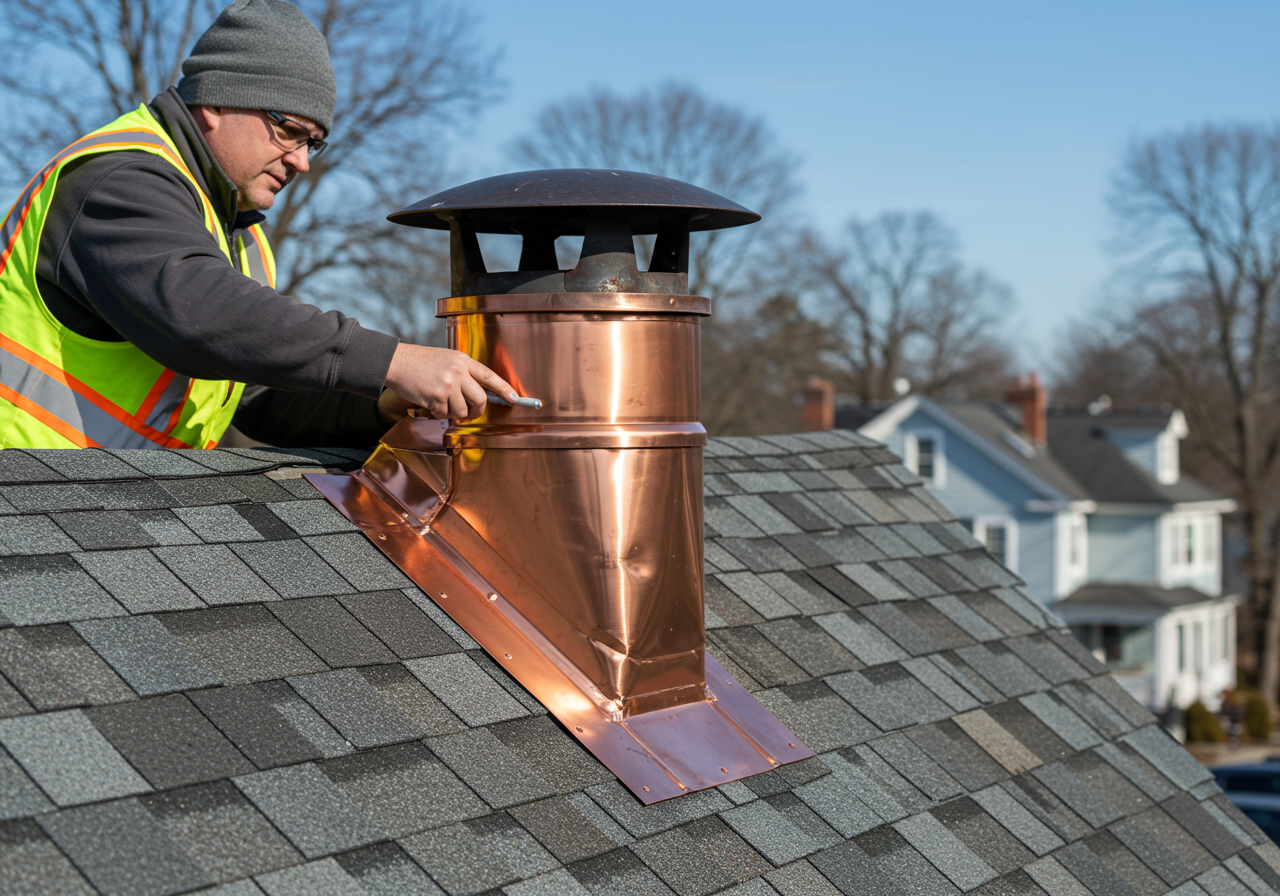
For a Windham home, an alternative to just "gunking it up" is a mechanical repair. This involves pulling back the surrounding shingles, installing a new metal flashing (I prefer 16-ounce copper or heavy-gauge aluminum), and layering in a high-temp ice and water shield.
Repair Method Longevity (Years)
Why Materials Matter in the Quiet Corner
We get hit with more wind than the coastal towns sometimes, thanks to the open terrain. If you're replacing shingles during a leak repair, matching the brand matters for more than just aesthetics. Mixing a GAF Timberline with an Owens Corning Duration might look "close enough" from the ground, but the offset nail lines can create a secondary leak path if the installer isn't precise.
The Attic Ventilation Connection
Sometimes, a "leak" isn't a leak at all—it's "attic rain." I've climbed into dozens of Windham attics where the plywood was soaking wet, but there wasn't a single hole in the roof. What was happening? Poor ventilation.
When you pump heat into your house during a CT February, that warm air rises. If your soffit vents are blocked by insulation or your ridge vent is choked with debris, that moisture hits the cold underside of your roof deck and turns back into water. It drips down, mimicking a leak perfectly.
Before you commit to a major tear-off, our expert roofing guides have some deep dives into how proper airflow prevents this exact scenario. It's a lot cheaper to install a few baffles than to replace a whole deck.
Safety First
Assessing the Damage: When Patching Fails
There comes a point where repairing a leak is like trying to fix a screen door with scotch tape. If I see more than 15-20% of the roof covered in brittle, "balding" shingles (where the granules have washed into the gutters), a repair is a waste of your money.
Here's a quick guide I use to help homeowners decide their next move:
Visual Check
Inspect gutters for 'sand' (granules) and check for curled shingle edges.
Interior Audit
Trace the leak in the attic to see if the wood is rotted or just damp.
Fastener Inspection
Check if 'nail pops' are pushing shingles up, creating entry points.
Cost Analysis
If the repair cost exceeds 25% of a full replacement, consider the upgrade.
If the structural integrity of the decking is compromised, you're likely looking at a complete roof replacement system. It's a bigger pill to swallow, but it stops the cycle of spending $1,145 every year on "maintenance" that doesn't actually solve the root problem.
The Financial Reality of Windham Roofing
In Windham, the average cost of a professional leak repair usually lands between $475 and $1,320 depending on the height and the material. If someone quotes you $150 to "take a look," they're probably just throwing a bucket of tar at the problem and heading to the next job.
Expert Insight
Verify contractor registration at Connecticut's Department of Consumer Protection.
Look, I've seen what happens when a "cheap" fix fails during a nor'easter. You end up paying for the roof repair plus new insulation and drywall. It's always more expensive to do it twice. If you've noticed a new spot on the ceiling after the last big blow, check the National Weather Service storm database to see if we had high wind gusts in Windham County recently—it helps with insurance claims more than you'd think.
Get Your Free Roof Quote
Enter your zip code to get started
Final Thoughts
Don't let a small drip turn into a structural headache. Whether it's a simple pipe boot replacement or a more complex valley reconstruction, getting an honest assessment is the first step. Windham homes are built tough, but even the sturdiest colonial needs a tune-up after a decade of New England weather. Stay dry, keep your gutters clear, and always look up.