
Key Takeaways
- Energy-efficient roofing materials can qualify for a $1,200 federal tax credit through Section 25C.
- Standard dark shingles absorb heat, increasing cooling costs by up to 11% annually.
- Only materials (not labor) qualify for the tax credit, requiring careful invoice documentation.
- Cool roof materials reduce attic temperatures by up to 30 degrees, extending HVAC system life.
Walking across the New Milford Village Green this morning, I noticed the frost clinging to the historic storefronts and the way the January light hits the steep rooflines of the Victorians on Aspetuck Avenue. It's that time of year when we all start glancing at our heating bills with a bit of a grimace, wondering where exactly that expensive air is escaping. Just last week, I was chatting with a friend near the bandstand—she's lived in her Cape Cod for 14 years—and she was convinced that "energy efficiency" was just a buzzword for people building $2 million modern mansions. She had no idea that her upcoming roof replacement could actually be a strategic move to lower her tax bill and her monthly overhead.
The reality is that most of us in Litchfield County view a roof as a defensive purchase. We buy it because we have to, not because we want to. But in 2026, the financial landscape has shifted. If you're looking at a replacement, you aren't just buying shingles; you're buying a thermal envelope for your home. The frustration I see most often is homeowners realizing—too late—that they picked a standard material that didn't qualify for a cent of federal support. We're talking about leaving over a thousand dollars on the table simply because the paperwork wasn't aligned.
Let's change that. We're going to look at how you can turn a necessary home expense into a tax-advantaged investment. Whether you're overlooking the Housatonic or tucked away in the hills near Northville, understanding how the IRS views your roof is the first step toward making your home work as hard as you do.
The Hidden Cost of Choosing "Standard" in Litchfield County
When we talk about roofing in Connecticut, we usually talk about snow loads and wind resistance. But there's an invisible drain on your wallet that happens every single day, and it starts at the very top of your house. In many of our older New Milford neighborhoods, the "standard" asphalt shingle roof acts like a heat sponge. During our humid July stretches, it absorbs radiation, forcing your AC to work overtime. In January, a poorly ventilated or non-reflective roof contributes to the thermal bridge that lets your expensive heat vanish into the atmosphere.
I remember helping a couple over on Route 7 a few years back. They had a beautiful colonial, but their second floor was always 8 degrees warmer than the first in the summer. They'd just put on a "cheap" roof three years prior, thinking they were saving money. In reality, they were paying a "thermal tax" every month. According to the EPA, traditional dark roofs can reach temperatures of 150°F or more on a sunny afternoon. By switching to a "cool roof" material, you can reduce that peak temperature by more than 50°F.
The problem isn't just the comfort; it's the missed opportunity for a "double dip" on savings. If you choose a material that doesn't meet the high-reflectivity standards required for federal credits, you're paying full price for a product that will cost you more to own over the next 22 years. We often see homeowners get quoted $12,400 for a standard shingle roof and $13,900 for an energy-efficient alternative. At first glance, the cheaper option looks like a win. But once you factor in the $1,200 tax credit and the estimated 11% reduction in annual cooling costs, the "expensive" roof is actually the one that puts more money back in your pocket.
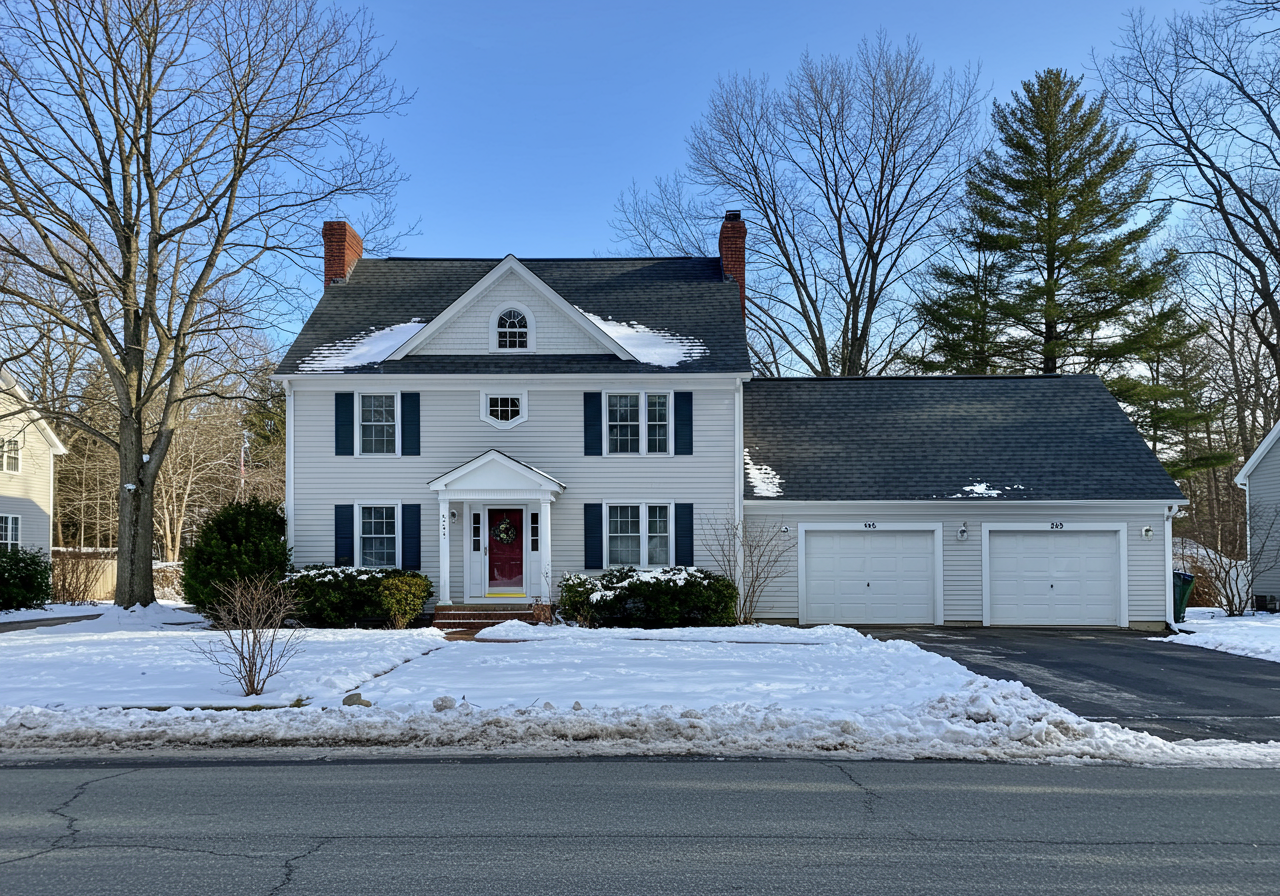
Energy-efficient roofing materials that qualify for federal tax credits
Understanding which roofing materials meet Energy Star requirements can save New Milford homeowners $1,200 annually through the 25C tax credit.
Deciphering the 2026 Federal Tax Credit Landscape
The biggest point of confusion I run into involves what actually qualifies for the Energy Efficient Home Improvement Credit (Section 25C). I've heard contractors tell homeowners that the "whole roof is deductible." That is, unfortunately, a myth that leads to some very uncomfortable conversations with the IRS. As we head into 2026, the rules are very specific: you can claim 30% of the cost of the materials, not the labor, up to an annual limit of $1,200.
Think about that for a second. If your roofing project costs $15,000, and $5,000 of that is for qualified "cool roof" shingles or metal panels, 30% of that $5,000 is $1,500. Since the cap is $1,200, you'd get the full twelve hundred bucks off your tax bill. But—and this is a big "but"—you have to choose the right materials. Energy Star provides a consumer guide that clarifies these requirements, emphasizing that qualifying products must have a high solar reflectance and thermal emittance.
Energy-Efficient vs. Standard Roofing
Pros
- $1,200 federal tax credit eligibility
- Reduces attic temperatures by up to 30 degrees
- Extends the life of your HVAC system
- Lower monthly utility bills
Cons
- Higher upfront material cost
- Limited color palette in some brands
- Requires specific contractor documentation
I once worked with a homeowner in the Northville area who was adamant about getting a specific dark slate-look shingle. It was gorgeous, but it didn't meet the reflectance requirements. We sat down and looked at the numbers. By switching to a high-reflectivity "Cool Gray" version of the same shingle, he not only qualified for the tax credit but also found that the slightly lighter color actually made his house look larger and more modern from the street. It's about being smart with the details. You'll need a Manufacturer's Certification Statement for your tax records. If your contractor can't provide that, or doesn't know what it is, that's a red flag.
Design Meets Efficiency: Material Choices for New Milford Homes
One of my favorite things about being an editor is looking at how technology changes our design choices. For a long time, "energy efficient" meant your roof had to be bright white. While that works for a commercial building in Danbury, it doesn't exactly scream "New England charm" for a 1920s craftsman in New Milford. Thankfully, material science has caught up with our aesthetic needs.
We now have "cool" asphalt shingles that use specially coated granules to reflect infrared sunlight. To the naked eye, they look like standard charcoal or weathered wood, but under a thermal camera, they are significantly cooler. Then there's metal roofing—the gold standard for Litchfield County longevity. A standing seam metal roof in a light bronze or gray isn't just a design statement; it's a thermal shield.
Expected Lifespan of Roofing Materials
When we consider the architectural diversity of our town—from the Colonials near the high school to the ranch homes out toward Sherman—the material choice matters for curb appeal. A metal roof might have a higher entry price, but when you spread that cost over its 50-year lifespan and subtract the tax credits, the math starts to look very attractive. I often tell neighbors that your roof line is a design choice, not just a cost. The color you pick is a conversation with your block. If you can have that conversation while also saving enough on your taxes to fund a weekend trip to the Berkshires, why wouldn't you?
If you're feeling overwhelmed by the options, the best first step is to get an instant roof estimate to see where your baseline costs sit. Seeing the numbers on paper helps clear the fog and lets you decide if the upgrade to an energy-efficient material fits your 2026 budget.
Timing and Paperwork: How to Actually Get Your Money Back
I've seen it happen too often: a homeowner does everything right, installs a beautiful energy-efficient roof, and then loses the tax credit because they didn't have the right paperwork during tax season. In Connecticut, we have an extra layer of opportunity through Energize CT. They often offer rebates that can be stacked with federal credits, but they require pre-approval or specific installation standards.
Here is the "Sheri Wilde Method" for ensuring you get every dollar you're owed:
Confirm the material's Energy Star or CRRC (Cool Roof Rating Council) rating before signing a contract.
Don't rely on verbal assurances. Get the actual rating numbers and verify they meet the Section 25C requirements.
Ensure your contractor provides a line-item invoice that separates material costs from labor and overhead.
The IRS needs to see exactly what you paid for materials versus installation. A lump-sum invoice won't work.
Download the Manufacturer's Certification Statement for your specific product and keep it in your permanent home file.
This document proves your materials qualify. Without it, you risk having your credit denied during an audit.
File IRS Form 5695 with your annual tax return to claim the Section 25C credit.
Work with your accountant or tax preparer to ensure you're claiming the correct amount and have all supporting documentation.
Wait until you see the difference a pro makes. I worked with a family near Lanesville who almost missed out on $800 because their invoice just said "Roof Replacement - $14,000." I had them go back to the contractor and break out the $4,200 for the high-reflectance shingles. That one change made the tax credit possible.
Don't Wait Until April
Before you commit to a crew, make sure you're working with verified local contractors who understand the Litchfield County climate and the specific documentation required for these incentives. A contractor who isn't familiar with "cool roof" technology might not be the best partner for a modern, tax-advantaged replacement.
Get Your Free Roof Quote
Enter your zip code to get started
Final Thoughts on New Milford's Roofing Future
As we look ahead through 2026, the trend is clear: our homes are becoming more integrated systems. Your roof isn't just a lid; it's a performance component. By taking the time to understand the tax credits available to us here in New Milford, you're doing more than just saving money. You're increasing your home's resale value, reducing the strain on our local power grid during those hot July weeks, and making your living space more comfortable.
It might feel like a lot of hoops to jump through, but $1,200 is a significant chunk of change—it's a few months of groceries or a significant payment toward the project itself. Don't let the complexity of tax forms scare you away from a smarter, cooler, and more efficient home. Your future self, sitting in a perfectly tempered living room while the Litchfield Hills swelter outside, will definitely thank you.
Ready to see how an energy-efficient roof fits your budget?
Get a detailed, instant estimate for your New Milford home today.
No credit card required • Free to use