Key Takeaways
- Statistical data shows that 68% of roof failures in Monroe are linked to flashing degradation rather than shingle wear.
- Granule loss exceeding 14% of total surface area typically signals an imminent moisture barrier breach.
- Local thermal cycles in Fairfield County can cause up to 1/8-inch of deck movement annually, stressing fastener points.
- Strategic replacement based on data, rather than reaction, saves an average of $4,300 in emergency remediation costs.
Have you ever looked at your roof after a heavy January frost and wondered if those slightly lifted shingles near the chimney are just a cosmetic quirk or a $22,400 structural failure waiting to happen? In my years inspecting homes from Stepney to the lakeside properties near Wolfe Park, I've found that most homeowners wait for a ceiling stain to take action. By the time that water hits your drywall, the "problem" has likely been festering for three to five seasons. The reality is that your roof doesn't just "give out" one day; it provides a series of data points that, if read correctly, tell a very specific story about its remaining shelf life.
The Hidden Toll of Fairfield County Thermal Cycles
In Monroe, we deal with a specific brand of environmental stress that I like to call the "Gold Coast Grind." It's not just the total accumulation of snow; it's the rapid fluctuation between freezing nights and sunny 40-degree afternoons. This cycle wreaks havoc on the physical bond between your shingles and the roof deck. I've cataloged damage from every major Monroe storm since the 2011 Halloween nor'easter, and the numbers consistently show that fasteners are the first to fail. When the wood decking expands and contracts—sometimes moving as much as 1/8-inch in a single 24-hour period—it "walks" the nails out of the wood.
I recently walked a property off Route 111 where the homeowner thought they had at least five years left. However, upon closer inspection, I found "nail pops" across 22% of the southern exposure. These aren't just bumps; they are entry points for moisture. Once the seal is broken, capillary action pulls water under the shingle during those January thaws. If you're seeing a wavy pattern across your roofline, you aren't looking at an aging shingle—you're looking at a compromised structural substrate.
The Granule Loss Equation: Tracking Asphalt Erosion
Every asphalt shingle is essentially a sandwich of fiberglass, bitumen, and ceramic granules. Those granules aren't just for color; they are the UV armor for the asphalt. Once they start shedding, the clock accelerates exponentially. I tell my clients to check their downspout exits after a heavy rain. If you're seeing more than a tablespoon of "sand" per square foot of roof area, your shingles are losing their ability to deflect heat and shed water.
Average Lifespan of Roofing Materials in Monroe
The technical reality (and this is something I've noted in my field logs for years) is that once a shingle loses 15% of its granule surfacing, the underlying asphalt becomes brittle within 18 months due to UV exposure. This brittleness leads to "thermal cracking." If you want to dive deeper into how specific materials hold up against our local humidity and salt air, our roofing blog offers technical deep dives into material science that goes beyond the sales brochure. Look, if the shingles feel like crackers when you touch them, they've already failed their primary job.
Structural Red Flags: From Decking to Flashing Failure
The most dangerous signs aren't always on the surface. I often spend more time in a homeowner's attic than I do on their ridge line. Why? Because the underside of your roof deck tells the truth that a new layer of moss might be hiding. I'm looking for "rust weeping" around nails and dark "tide marks" on the plywood. According to FEMA's hurricane mitigation guide for sloped roofs, the integrity of the roof-to-wall connection is the single most important factor in surviving high-wind events.
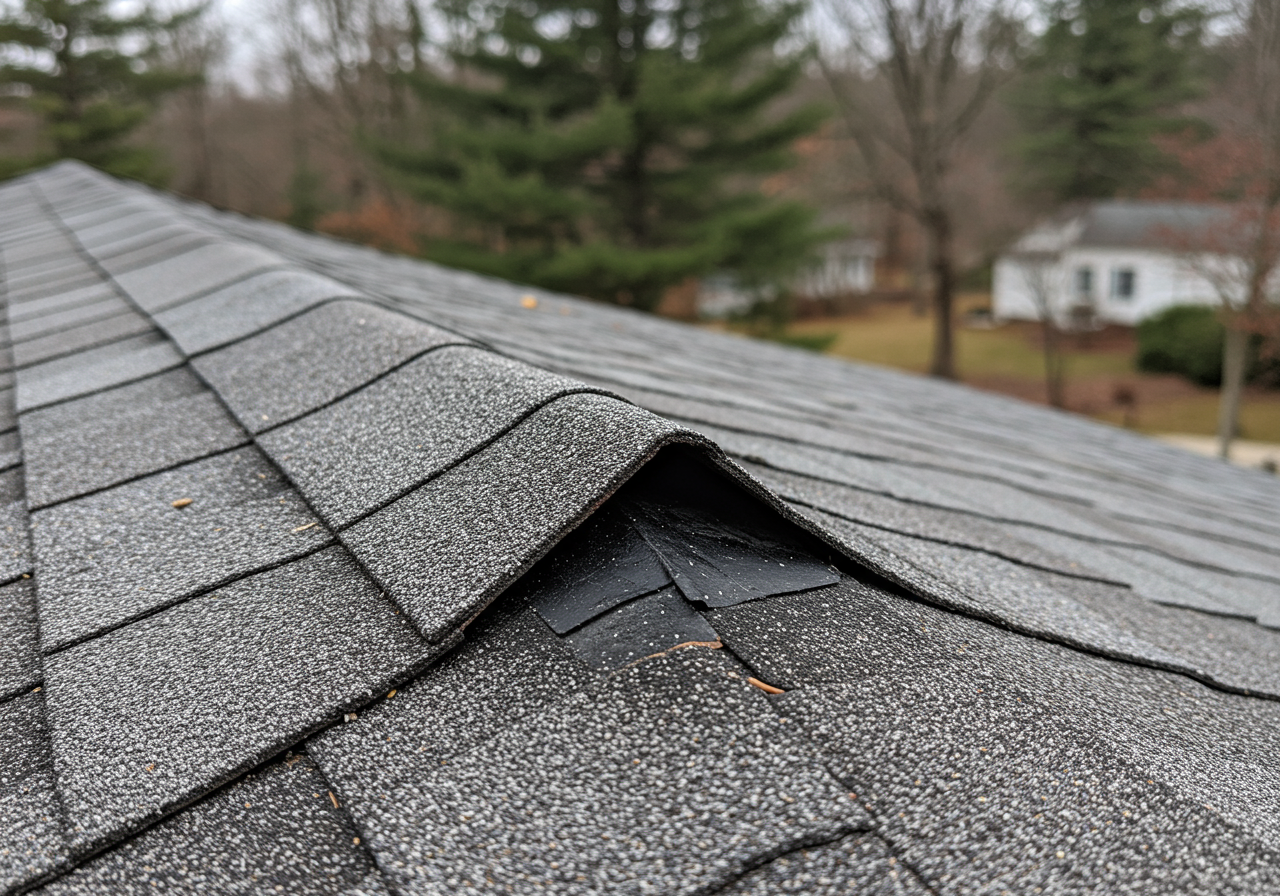
Monroe Roof Replacement Data Analysis
Understanding the critical warning signs that signal roof failure in Fairfield County
In many older Monroe colonials, we see chimney flashing that was installed with simple caulk rather than a proper counter-flashing reglet. Over 17 years, that caulk dries out, shrinks, and detaches. Here is a quick diagnostic check you can do yourself:
- Daylight Check: Can you see pinpricks of light in the attic?
- The "Soft Spot" Test: When walking the roof (if safe), does the deck feel like a trampoline?
- Sagging Ridges: Does the peak of your roof look like a swayback horse?
If the answer to any of these is yes, you aren't just looking at a shingle replacement; you're looking at a structural remediation. I once inspected a home near the Trumbull line where the owner ignored a small sag for three years. By the time we opened it up, we had to replace 14 sheets of CDX plywood because the rot had migrated into the rafters.
The Strategic Replacement: Planning for Longevity
Replacing a roof in January 2026 isn't just about stopping leaks; it's about asset protection. The Gold Coast real estate market is notoriously picky about "deferred maintenance." A roof that is 19 years old is a massive red flag during a home inspection. I always advise Monroe residents to move from a reactive mindset to a data-driven one. Instead of waiting for the emergency 2:00 AM phone call to a contractor, you should be vetting your options while the sun is shining.
Perform a ground-level binocular inspection
Check all valleys and penetrations for signs of wear or damage.
Check attic insulation
Look for dampness or compressed 'matted' spots that indicate moisture intrusion.
Verify contractor credentials
Use the CT eLicense portal to confirm licensing before scheduling estimates.
Obtain three competitive estimates
Ensure each includes full tear-off and ice/water shield specifications.
Schedule during clear weather
Plan the project during a clear weather window to avoid open-roof exposure.
When you're ready to move forward, don't just pick the lowest bid. The "cheap" guy often skips the starter strips or uses generic synthetic underlayment that doesn't meet local building codes. I always suggest that you verify a contractor's license before they even set foot on your driveway. Beyond the paperwork, it helps to see what other CT homeowners experienced with their recent installs. Hearing about a crew's cleanup habits or their communication style is often more valuable than the quote itself. Finally, the trick is finding a contractor who actually shows up and stands behind their work with a real workmanship warranty.
"A roof is a system, not a product. If you replace the shingles but leave the 20-year-old flashing, you haven't fixed the problem; you've just hidden it for another season."
Ultimately, the goal is to get another 25 to 30 years out of your investment. By addressing these signs early—especially the granule loss and flashing fatigue—you can avoid the $5,000+ "surprise" costs associated with internal mold remediation and structural timber repair.
Get Your Free Roof Quote
Enter your zip code to get started
Summary of Actionable Steps
To wrap this up, remember that your roof is your home's first line of defense against the Connecticut elements. Start by checking your gutters for granules and your attic for moisture stains. If your roof is over 18 years old, it's time to stop guessing and start measuring. Get a professional assessment, compare your options through a trusted matching service, and prioritize a full-system replacement over a "patch job" that will cost you more in the long run.
Frequently Asked Questions

About Daniel Roberts
Verified ExpertDaniel Roberts is a Senior Roofing Consultant with over 15 years of experience in the New England residential construction industry. He specializes in storm damage assessment and energy-efficient roofing systems.