
Key Takeaways
- Material Selection: Synthetic slate and high-end composites now offer a 50-year lifespan while mimicking 18th-century aesthetics at 40% less weight.
- Structural Integrity: Historic Pomfret homes often require deck reinforcement—expect to add $3,200 to $5,800 to your base estimate for structural remediation.
- ROI Factor: Proper historic restoration can command a 12% to 15% premium on resale value compared to homes with 'modern' asphalt overlays.
- Vetting is Critical: Traditional rafter spacing in older homes requires specific fastener patterns to meet 2026 Connecticut building codes.
When you look at the steep gables of a Greek Revival home near the Pomfret School, do you see a timeless architectural masterpiece or a looming five-figure maintenance liability? It's a question I hear often from homeowners in the "Quiet Corner" who find themselves caught between the desire to preserve Connecticut's colonial charm and the harsh reality of modern repair bills. In a town where some structures have stood since the mid-1700s, a "standard" roofing job simply doesn't exist. You aren't just replacing shingles; you are managing a structural legacy.
The Architectural DNA of Pomfret's Historic Homes
Pomfret is unique even by Windham County standards. Whether you're situated along the scenic Route 169 or tucked away near the Airline State Park Trail, the "Quiet Corner" features a high concentration of timber-framed Colonials and sprawling Victorians. These aren't just old buildings; they are puzzles.
I've spent afternoons examining rafters in homes built before the Revolutionary War where the original "decking" consisted of wide-plank chestnut boards. You can't just nail a modern architectural shingle into a 250-year-old chestnut plank and expect it to hold during a nor'easter. The wood is often too brittle or has gaps wider than two inches.
Here's the thing: when we approach these projects, we have to look at the "bones" first. If the original structural members have sagged—which is common in homes where heavy slate was added a century after construction—we have to calculate the dead load capacity before recommending a new material.
Historic Pomfret Home Restoration
A Greek Revival home undergoing careful roof restoration to preserve its architectural integrity.
Material Showdown: Authenticity vs. Modern Performance
The biggest debate in Pomfret living rooms usually centers on material. Do you go with authentic Buckingham Slate, or do you opt for a high-performance synthetic? In my field notes from a project near the Brayton Grist Mill, the homeowner was adamant about real wood shakes until they saw the fire rating and the 15-year decay projection for our humid CT summers.
Historic Roof Material Comparison
| Feature | Authentic Slate | Synthetic (DaVinci/EcoStar) | Premium Shingle (GAF Camelot) |
|---|---|---|---|
| Lifespan | |||
| Weight (per sq) | |||
| Historical Accuracy | |||
| Maintenance | |||
| Fire Rating |
Synthetic options have come a long way. Brands like DaVinci Roofscapes use virgin resins that are molded from actual slate pieces, capturing the jagged edges and color variations that define the Pomfret aesthetic. From the curb, 99% of people—including many historic commission members—can't tell the difference. Plus, you save significantly on the structural reinforcement costs required for heavy stone.
The Hidden Math of Historic Roof Restoration
Let's talk about the numbers, because a "quote" for an old home is often just a starting point. I recently reviewed a budget for a Victorian on the hill where the initial bid was $22,400. By the time we accounted for lead paint mitigation, replacing rotted 1x12 fascia boards, and custom-bending 16-ounce copper flashing for three dormers, the total was closer to $31,850.
Typical Material Lifespan in Windham County (Years)
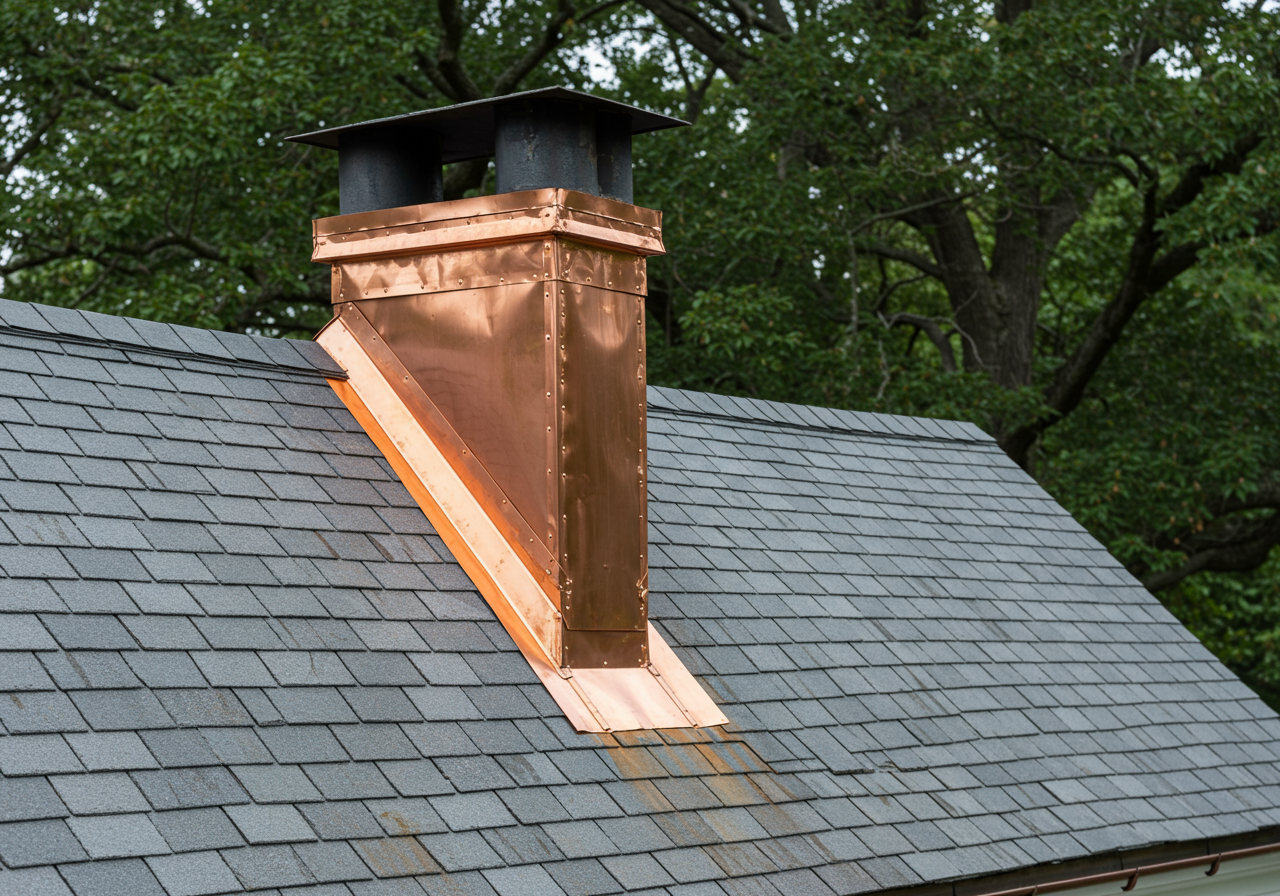
The price jump isn't "contractor greed"—it's the complexity of the interface. When you have a roof meeting a brick chimney original to the house, you can't use cheap aluminum step-flashing. It looks wrong and fails fast. We specify lead-coated copper or heavy-gauge copper. It's more expensive upfront, but it's a "one and done" solution that protects the masonry.
If you are trying to figure out if these upgrades fit your budget, getting an accurate estimate for your historic property is the only way to avoid mid-project surprises.
Structural Realities: What Lies Beneath the Shingles
In many Pomfret homes, the roof you see today is actually sitting on three or four layers of previous "fixes." I once saw a home near Abington where a contractor had simply nailed new plywood over two layers of old cedar shakes. It looked fine from the street, but the weight was bowing the original hand-hewn rafters.
When we strip these roofs back, we often find "skipped sheathing"—strips of wood with gaps between them. Modern code requires a solid deck.
Complete tear-down to the original rafters or skip sheathing.
This reveals the true condition of the structural members and allows for proper assessment.
Structural inspection for rot or 'sistering' needs on 18th-century timbers.
Older timbers may need reinforcement or replacement to meet modern load requirements.
Installation of CDX plywood (minimum 5/8 inch for historic spans).
Provides a solid, code-compliant deck that can support modern roofing materials.
High-temp ice and water shield application (critical for CT winters).
Protects against ice dams and water infiltration during freeze-thaw cycles.
Custom copper fabrication for valleys and chimney crickets.
Ensures proper water management and maintains historic aesthetic.
Precision installation of historical-grade surfacing material.
Final layer that preserves the home's character while providing modern protection.
Safety is also a major cost driver. Historic homes often have 12/12 pitches (45-degree angles) and heights that require specialized scaffolding. I always insist that homeowners verify their contractor's adherence to OSHA fall protection standards because the liability of a fall on a steep historic roof is a risk no one should take.
Finding a Craftsman in the "Quiet Corner"
The reality is that most high-volume roofing companies don't want to touch Pomfret's historic homes. They want "up and over" jobs on new builds in subdivisions. Historic work is slow. It requires a crew that knows how to use a soldering iron for copper seams and how to handle brittle ridge vents.
I tell people to look for the "tool footprint." If a crew shows up with only nail guns and no hand shears or copper bending brakes, they aren't historic specialists. The trick is finding a contractor who understands old-world joinery and doesn't try to cut corners with plastic ridge caps.
Check the NWS Storm Events Database for Windham County; you'll see we've had a significant increase in high-wind events over the last five years. A roof that isn't hand-tabbed or properly fastened to a reinforced deck will be the first to peel when the next big wind hits the valley.
The Verdict: Is It Worth the Investment?
So, is it worth the $30,000 to $50,000 price tag? If you plan on staying in your Pomfret home for more than seven years, the answer is a firm yes.
Pro Tip
When you invest in high-quality materials like synthetic slate or heavy-weight laminates, you aren't just buying a roof; you're buying insurance against the elements and an appreciative asset. For those struggling with the upfront cost of critical repairs, there are sometimes federal home repair assistance programs available for historic preservation or energy efficiency upgrades.
"In Pomfret, your roof is your primary defense against a climate that wants to reclaim old wood. You can pay for a specialist now, or you can pay for a specialist and a mold remediator later."
If you're facing a leak right now or worried about a sagging ridgeline, don't wait for the next storm to act. In an emergency, addressing a sudden structural failure immediately can save the interior plasterwork that makes your home irreplaceable.
Get Your Free Roof Quote
Enter your zip code to get started