Key Takeaways
- Hail bruising often hides in shingle mats until Connecticut freeze–thaw cycles open the path for leaks.
- A solid DIY pass catches obvious collateral dents and debris; it rarely proves subtle shingle damage adjusters expect.
- Professional inspections pair ladder access with photo documentation that holds up when a claim is questioned.
- Acting early protects your 2026 budget whether you pay out of pocket or coordinate with insurance.
Union sits in the hills of northeastern Connecticut where spring and summer cells can drop damaging hail with little warning. After the sky clears, the real question is not your shingles look fine from the driveway—it is whether impact energy compromised the mat underneath. This guide compares honest DIY screening with what a trained inspector delivers so you spend money once, on the right fix.
Why Hail in Union Is a Budget Silent Risk
Asphalt shingles can look untouched while the fiberglass mat is fractured. According to NOAA's hail overview, stone size, density, and wind-driven angles matter as much as the hail diameter you remember from the sidewalk. In Tolland County, follow-up storms and cold nights stress those micro-cracks faster than many homeowners expect.
Did You Know?
Soft-metal collateral dents—gutters, vent caps, and mailbox flashing—are often the fastest free clue that hail energy hit your property even when roof planes look normal from the ground.
DIY strength
Fast perimeter checks, date-stamped photos, and storm tracking for your address.
Pro strength
On-roof tactile checks, flashing detail, and manufacturer-aware documentation.
Budget angle
Avoiding a late emergency tear-off by catching bruising before decking stains appear.
What Responsible DIY Spotting Can (and Cannot) Prove
Start safe: walk the property, note downspout splatter, window screens, and any granule grit that washed into drip lines. If you need help prioritizing who to call first after a storm, see how ZikQuote matches you to vetted pros in a few steps—it beats dialing random crews from a yard sign.
Log the storm window
Save local radar screenshots, NWS reports, and neighbor observations with timestamps.
Scan soft metals
Look for uniform dimples on AC fins, gutters, and painted fascia—these corroborate hail energy.
Check gutters and downspouts
A sudden granule slug after a storm can mean impacts stripped protective surfacing.
Attic spot check
Bring a bright flashlight; fresh water marks on rafters may appear before ceiling stains.
Photo map the exterior
Capture wide shots plus close-ups from a safe ladder height—never lean over unsupported edges.
DIY Hail Screening in Union
Pros
- Zero cost beyond your time
- Immediate documentation while memory of the storm is fresh
- Helps you decide if a pro should visit this week or next
Cons
- Cannot safely evaluate every slope or ridge without roofing PPE
- Easy to mistake blistering or heat damage for hail
- May miss subtle bruising that only shows when a shingle is lifted
Do not mistake silence for safety
What a Professional Hail Inspection Adds
Licensed roofers examine random test squares, feel for soft spots, and compare slopes by wind direction. They also know which shingle lines in Connecticut age out faster in cold snaps—experience DIY photo guides cannot replicate. For overnight leak emergencies, keep 24/7 emergency roofing support in your contacts before water reaches finished ceilings.
DIY Ground Review vs. Professional Hail Inspection
| Feature | DIY (ground & safe areas) | Professional inspection |
|---|---|---|
| Close-up shingle photos for adjusters | ||
| Ridge and valley tactile check | ||
| Soft-metal collateral documentation | ||
| Attic moisture tracing | ||
| Manufacturer-warranty context |
Relative Claim Readiness (Illustrative Scale)
Higher scores reflect documentation depth, not a guarantee of coverage
"Homeowners win when they pair honest DIY notes with a single thorough ladder inspection—skipping that second step is where I see five-figure leaks born two seasons later."
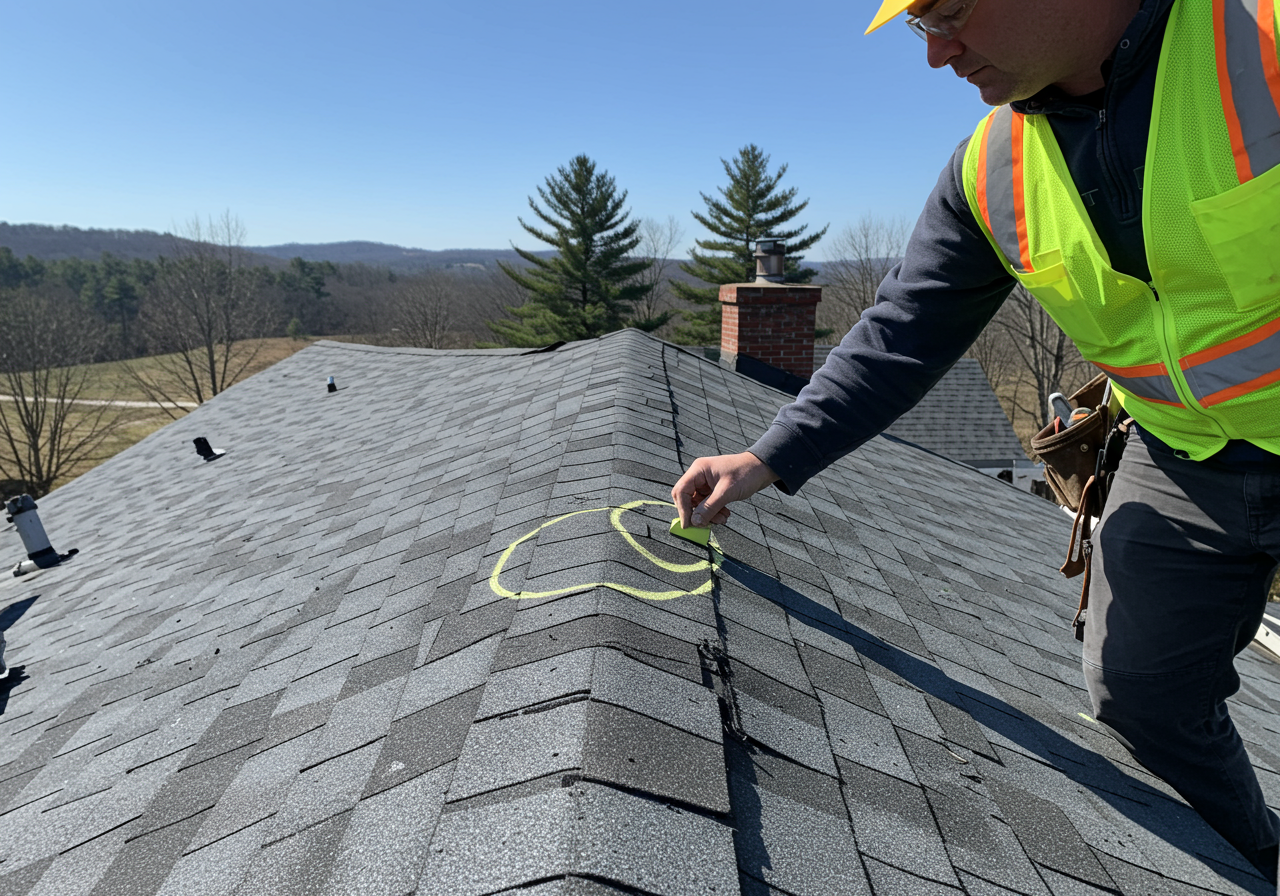
Documenting Hail Exposure in Tolland County
Side-by-side comparisons of DIY ground photos and close-up shingle examination after a Union storm.
Insurance Timing, Documentation, and 2026 Budget Planning
Carriers evaluate whether damage comes from a covered event and whether timelines align with when you noticed loss. The Insurance Information Institute stresses prompt reporting and detailed inventories—the same habits apply to roofing. If you are weighing cash pay versus filing, understanding local replacement benchmarks matters. Compare instant roof estimates from verified Connecticut contractors so deductibles and out-of-pocket scenarios feel concrete, not guessed.
Ready.gov also notes preparedness steps when storms approach; their thunderstorm and lightning safety guidance pairs well with roof docs for family emergency plans.
Illustrative Homeowner Spend Scenarios (Single Hail Event)
*Graphic uses simplified relative bars for conversation—not a quote or insurance promise. Actual results depend on policies, deductibles, and adjuster findings.
Match with inspectors who document like adjusters read
Union homeowners use ZikQuote to lock in timely visits from licensed Connecticut crews.
No credit card required • Free to use
Get Your Free Roof Quote
Enter your zip code to get started
Frequently Asked Questions

About Dana Jackson
Verified ExpertDana Jackson is a Homeowner Advocate & Cost Analyst who helps Connecticut families navigate the financial aspects of roofing projects. She specializes in finding the best value and avoiding common pricing pitfalls.