Contrary to what most of us are told during a mid-winter heating bill panic, your furnace isn't always the primary culprit behind those staggering monthly statements. Many Clinton homeowners spend a fortune tuning up their HVAC systems or replacing window seals, yet they completely ignore the giant "hat" sitting on top of their house. I've talked to neighbors near the Clinton Town Dock who couldn't understand why their second floors felt like a refrigerator while the furnace was chugging away. The reality is that your roof is often the biggest energy leak in the entire building envelope, and most people are looking at the wrong part of the house to fix it.
Key Takeaways
- Proper roof ventilation prevents heat loss and ice dam formation in Clinton's winters.
- Fiberglass insulation loses effectiveness over 15-18 years, especially in humid shoreline climates.
- Radiant barriers can reduce attic temperatures by 10 degrees, significantly improving energy efficiency.
- Minor flashing leaks can compromise insulation, creating thermal bridges that drain heat.
The Ventilation Gap That Chills Your Attic
I remember visiting a beautiful Cape-style home over near Liberty Street last winter. The owners were frustrated because their heating bills were climbing despite a brand-new high-efficiency boiler. When we looked at the roof, the problem was obvious: the ridge vents were completely choked with debris and old paint. When your roof can't "breathe," heat doesn't just sit there; it creates a pressure imbalance that actually sucks warm air from your living space up through your light fixtures and attic hatch.
Proper ventilation isn't just about keeping the house cool in the summer; it's about maintaining a "cold roof" in the winter. If your attic gets too warm because the air isn't circulating, it melts the snow on your shingles. That water then refreezes at the eaves, creating ice dams. Those dams aren't just a leak risk; they are a sign that you are literally paying to heat the Great Wall of Clinton on your gutters. If you've noticed uneven snow melt patterns on your shingles, it's time to start looking at real solutions.
Ignoring the Clinton Shoreline Humidity Factor
We live in a beautiful spot, but the salt air and Middlesex County humidity do a number on traditional fiberglass insulation. Over about 15 to 18 years, that fluffy pink stuff in your attic can start to settle and "clump." Once it loses its loft, it loses its ability to trap heat. I've seen attics in Clinton where the insulation had compressed so much it was barely more effective than a thin wool blanket.
When you're thinking about a roof replacement, you have to look at the system as a whole. It's not just about the shingles you see from the curb; it's about the "energy envelope" underneath. If your insulation is compromised by past leaks or moisture, even the fanciest shingles won't save your heating bill. For those living in older historic homes near the center of town, check if you qualify for government home repair assistance to help offset the costs of these critical energy upgrades.
The Mistake of Choosing Style Over Thermal Performance
I'm a designer at heart, and I love the look of a dark, charcoal shingle against a crisp white colonial. But here's the thing: color matters for more than just curb appeal. In Connecticut, our winters are long, and while a dark roof can help with "solar gain" (absorbing heat from the sun), it can also lead to overheating if your ventilation isn't perfect.
The mistake I see most often is homeowners choosing the cheapest 3-tab shingle because they think "all roofs are the same." They aren't. Modern architectural shingles are designed with much higher thermal resistance. If you're dealing with a flat roof on a modern addition or a commercial space in downtown Clinton, the choice is even more vital. FEMA's guidelines for low-slope roofs emphasize that proper material selection is the first line of defense against both weather and energy loss.
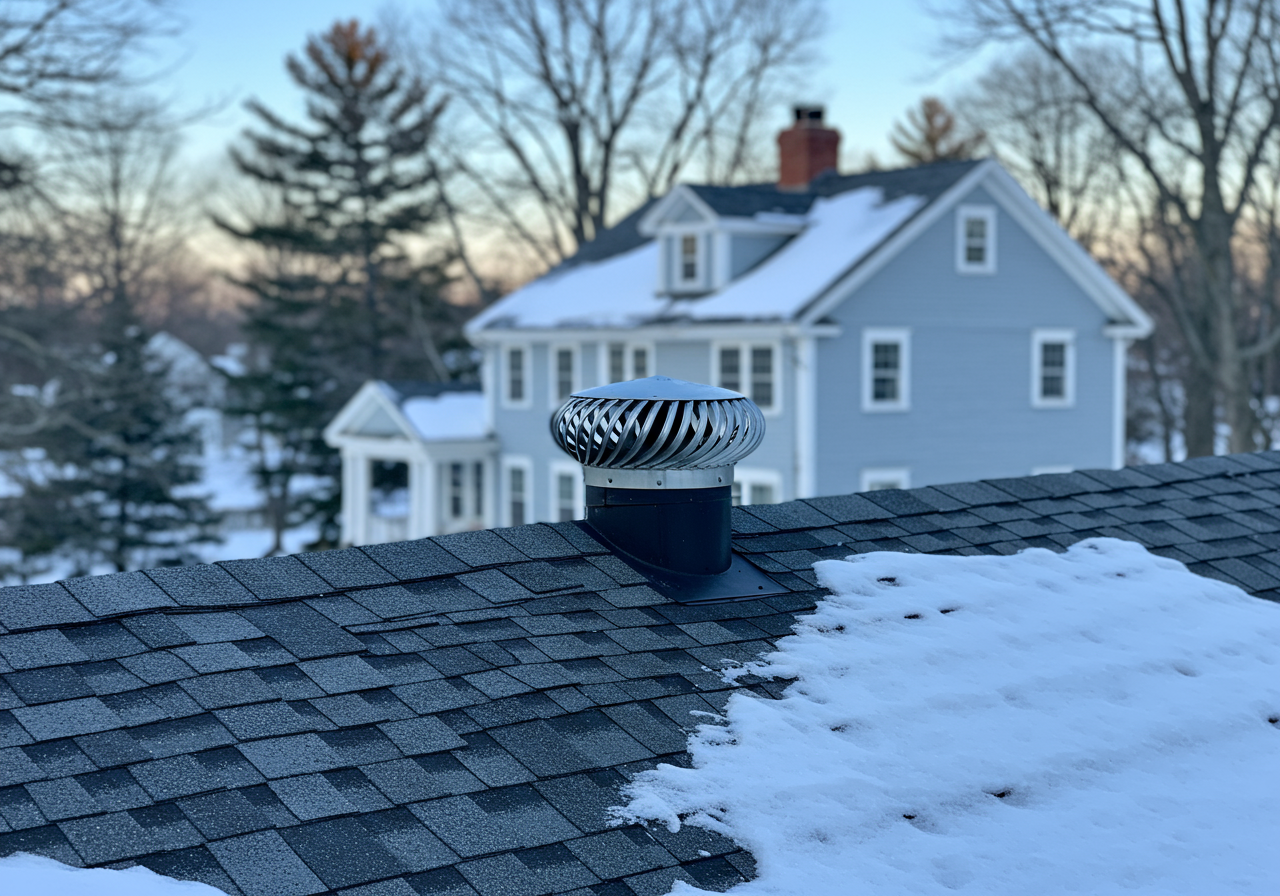
Energy-Efficient Roofing Systems
Modern roofing materials and proper installation can significantly reduce energy costs in Clinton homes.
Skipping the Radiant Barrier Opportunity
If you're already planning to strip your roof down to the deck, you're missing a huge trick if you don't mention radiant barriers to your contractor. This is a thin reflective layer that lives under your shingles. In the winter, it helps reflect heat back down into your home rather than letting it radiate out into the cold Clinton night.
"A roof isn't just a shield against rain; it's a thermal valve. If that valve is stuck open, you're just throwing money into the wind off the Sound."
I've seen this make a 10-degree difference in attic temperatures. When the attic stays closer to the outdoor temperature, your living space stays warmer. It's a simple addition during a full tear-off that pays for itself in just a few seasons. When you're comparing quotes from local pros, ask specifically if they include an inspection of the decking for radiant barrier compatibility.
The Danger of Ignoring Minor Flashing Leaks
We often think of a roof leak as a "puddle on the floor" problem. But in February, a tiny leak around a chimney or vent pipe is actually an energy drain. Wet insulation has zero R-value. Even a small amount of moisture from a "nuisance leak" can soak a large area of your attic floor, creating a thermal bridge that lets heat pour out of your house.
I recently helped a friend over near the Hammonasset side of town who couldn't figure out why one bedroom was always five degrees colder. It turned out to be a failed flashing boot around a plumbing vent. The insulation was damp, not dripping, but it was enough to kill the room's heat retention. If you suspect a leak, don't wait for a ceiling stain. Getting an emergency roof inspection can save your insulation—and your heating budget—before the next big nor'easter hits.
Expected Lifespan of Energy-Efficient Roofing Systems
Professional Installation Standards and Safety
The final mistake is hiring a crew that cuts corners on the "invisible" parts of the job. Energy efficiency depends on a tight seal at the eaves and proper baffling at the vents. If a contractor doesn't use baffles, they might accidentally blow insulation over your soffit vents, effectively suffocating your roof.
When you see a crew working on your street, look at their setup. Are they using proper toe-boards and harnesses? Professionalism on the outside usually reflects the quality of the work you can't see. I always recommend that homeowners familiarize themselves with OSHA's fall protection standards so they know how to spot a legitimate, high-quality roofing team. A crew that cares about safety usually cares about the technical details that keep your house warm.
Did You Know?
In Clinton, snow that melts off your roof in 'patches' rather than evenly is a primary indicator that heat is escaping through specific gaps in your attic insulation.
I know a roof is a big investment. But when you look at it as a way to "insulate" your bank account against rising energy costs, the math starts to make a lot of sense. Your home should be your sanctuary, not a wind tunnel.
Get Your Free Roof Quote
Enter your zip code to get started
Frequently Asked Questions

About Sheri Wilde
Verified ExpertSheri Wilde is a Home Improvement Editor with a background in interior design and sustainable living. She helps Connecticut homeowners make informed decisions about their biggest investments.